
Trying to make sense of the headlines? These climate change basics give you the short version: the planet is warming, people are the main cause, and every extra fraction of a degree matters.
| Item | Value |
|---|---|
| Rise in average surface temperature since 1880 | About 1.8°F (1.0°C) |
| Carbon dioxide in the atmosphere | From about 280 parts per million (since 1800) to 410 ppm in 2019 |
| Global temperature in 2024 | 1.55°C above the 1850-1900 average |
| Paris Agreement temperature goal | Well below 2°C, pursuing 1.5°C |
| Emissions cut in 1.5°C pathways by 2030 (vs 2019) | 43% |
| Estimated heat-related deaths per year, 2000-2019 | 489,000 |
These figures come from NOAA’s Climate.gov and a United Nations explainer on 1.5°C. They can change as new data arrive, so check the sources before you rely on them.
What climate change actually means
Climate is the pattern of weather in a place over many years. Climate change is a lasting shift in that pattern, such as a higher average temperature, different rainfall or more frequent extremes.
Climate has changed naturally before, over thousands of years. What is different now is the speed, and the fact that the cause is largely human activity.
If you are unsure how the two ideas differ, the difference between weather and climate is a good place to start. Weather is what you see out of the window today. Climate is what a region’s weather tends to look like across decades.
People often use “climate change” and “global warming” as if they were the same thing. Global warming is the rise in average temperature, while climate change covers all the knock-on effects. Our guide on what is global warming covers that distinction in more depth.
This page is an independent educational overview. It is not affiliated with any agency or organisation named in it, and it does not offer services or advice.
How do we know the world is warming?
The evidence is not a single thermometer. People have recorded daily high and low temperatures at thousands of weather stations worldwide, on land and at sea, for many decades. In some places the records go back more than a century.
Different teams average these data independently. NOAA and NASA in the United States and the Hadley Centre in the United Kingdom all find essentially the same result: Earth’s average surface temperature has risen by about 1.8°F (1.0°C) since 1880, according to Climate.gov.
The UN explainer adds a more recent marker. It reports, citing the World Meteorological Organization (WMO), that 2024 was the warmest year in the 175-year observational record, at 1.55°C above the 1850-1900 average.
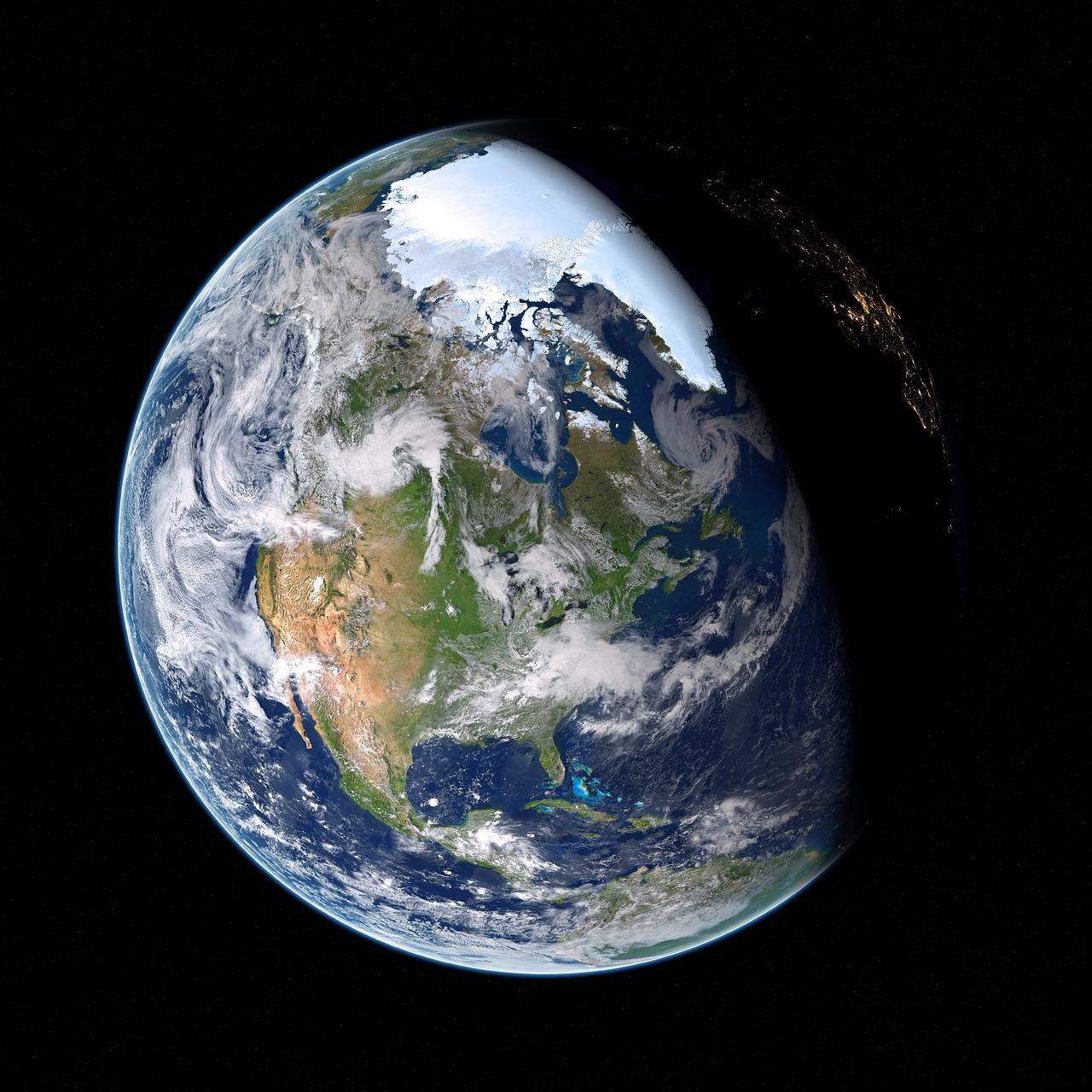
Climate.gov also notes that scientists have other lines of evidence beyond surface stations. Measurements are not the only way researchers confirm that the planet is warming.
Why single hot years are not the whole story
Temperature does not rise in a straight line. Natural swings such as El Niño can push a particular year or month higher.
The UN notes that the first months more than 1.5°C above the pre-industrial average occurred during 2015-16, driven by both human-caused climate change and a strong, naturally occurring El Niño. Scientists therefore look at trends across decades rather than any one headline year.
What causes climate change?
The short answer is heat-trapping gases. Burning coal, oil and gas releases carbon dioxide, and that extra gas strengthens the natural blanket around Earth. For the full picture, see our explainer on what causes climate change.
Climate.gov says the warming is largely caused by human activities because the key role that carbon dioxide plays in maintaining Earth’s natural greenhouse effect has been understood since the mid-1800s. It also says that since 1800 atmospheric carbon dioxide has risen from about 280 parts per million to 410 ppm in 2019.
Climate.gov adds that no other known climate influences have changed enough to account for the observed warming trend. That is a key reason scientists point to people rather than to natural causes.
The greenhouse effect in plain terms
Some gases in the air let sunlight pass through but slow the heat escaping back to space. Without that natural effect, Earth would be far colder and much less hospitable.
The problem is not the effect itself but its strengthening. If you want the mechanism step by step, read what is the greenhouse effect.
Fossil fuels at the centre
The UN states that fossil fuels are by far the largest contributor to the greenhouse gas emissions that cause climate change. It also says, citing the IPCC, that global carbon dioxide emissions, largely from fossil fuels, continue to rise and reach record levels.
Coal, oil and natural gas formed from ancient plants and animals over a very long time. For a plain-language rundown, see what are fossil fuels.
The main greenhouse gases
Several gases trap heat, and they differ in how strongly they do it and how long they last. Carbon dioxide is the one most tied to recent warming, but it is not the only one.
- Carbon dioxide: released mainly by burning fossil fuels, and the main gas driving recent change.
- Methane: released by livestock, landfills, and oil and gas systems.
- Nitrous oxide: linked to fertilisers, fossil fuel burning and some industrial processes.
- Fluorinated gases: man-made gases used in cooling and industry.
Scientists compare gases using a measure called global warming potential, which sets carbon dioxide as the baseline. A tonne of methane or nitrous oxide can trap far more heat than a tonne of carbon dioxide, which is why even small leaks matter.
Those comparison values are revised as science improves, so exact figures differ between reports.
What are the effects of climate change?
The UN, citing the IPCC, says that with every additional increment of global warming, changes in extremes and risks become larger. Even an extra 0.1°C of warming causes clearly discernible increases in the intensity and frequency of temperature and precipitation extremes, as well as agricultural and ecological droughts in some regions.
The effects most people notice fall into a few groups:
- Heatwaves, droughts and wildfires.
- Heavy rainfall and flooding.
- Pressure on food, water and health.
- Risks to ecosystems such as coral reefs.
Heat is a clear example of human cost. The UN cites the WMO in saying extreme heat causes the greatest mortality of all extreme weather, with an estimated 489,000 heat-related deaths per year between 2000 and 2019.
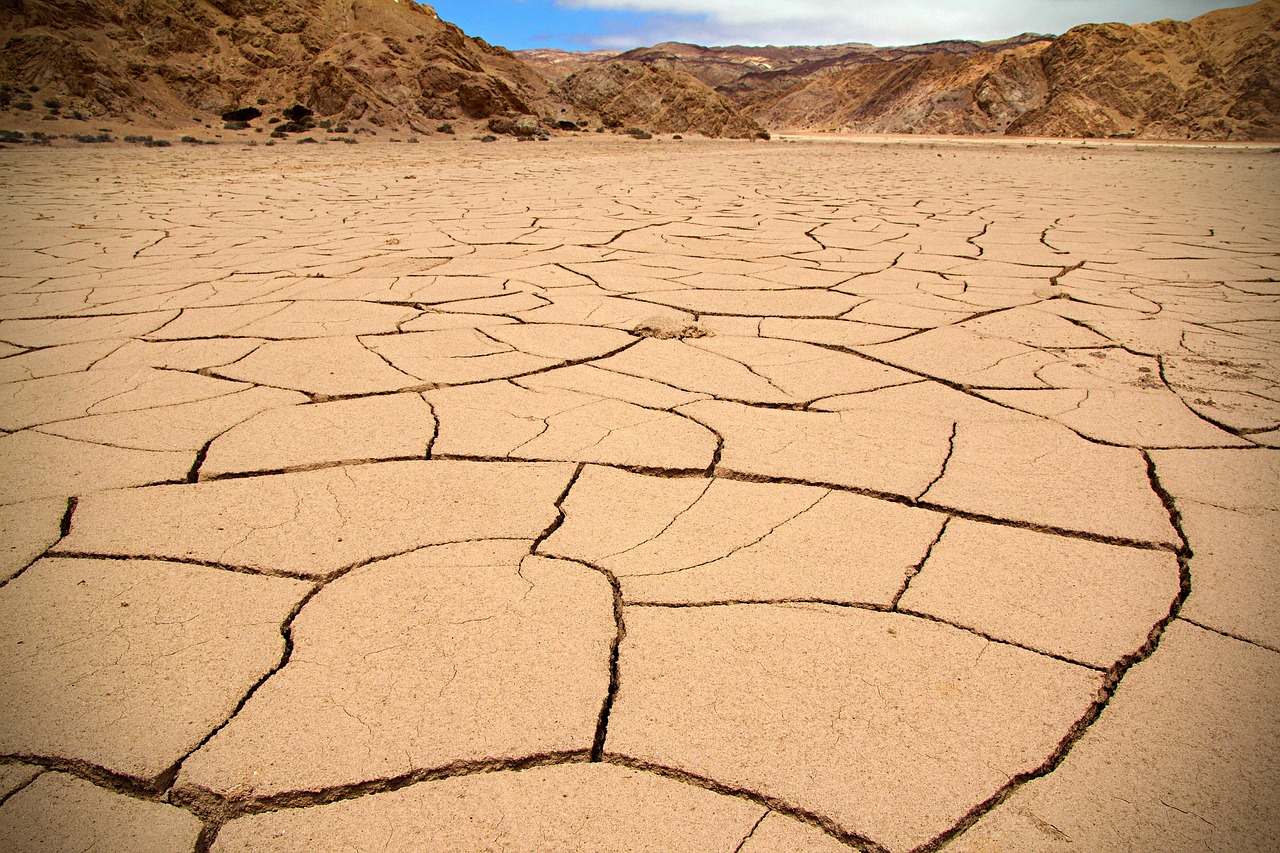
Tipping points
The UN also warns that exceeding 1.5°C could trigger multiple climate tipping points. Its examples are breakdowns of major ocean circulation systems, abrupt thawing of boreal permafrost and collapse of tropical coral reef systems.
These changes would be abrupt and hard to reverse. That is a large part of why scientists stress limiting warming sooner rather than later.
What are the global goals and targets?
Under the Paris Agreement, countries agreed to keep the long-term global average surface temperature increase well below 2°C above pre-industrial levels and to pursue efforts to limit it to 1.5°C, as the UN explainer describes it. Countries have emphasised that the impacts would be much lower at 1.5°C than at 2°C.
Passing 1.5°C in a single month or year does not mean the goal has failed. The UN notes the goal refers to a long-term temperature increase over decades, though short-term breaches are early warning signs.
What the pathways require
In modelled pathways that limit warming to 1.5°C with no or limited temporary overshoot, global greenhouse gas emissions peak by 2025 and fall by 43% by 2030 relative to 2019. Carbon dioxide emissions in those pathways reach net zero by 2050.
Because that timeline has been tight, the UN says commitments under the Paris Agreement have reduced projected warming by the end of the century from 3.7-4.8°C to 2.4-2.6°C, or possibly even lower. Projections like these shift as policies change, so treat them as a snapshot.
The idea of balancing emissions with removals is explained in what is net zero. A related label, covered in what is carbon neutral, usually applies to a single product, event or organisation.
Mitigation and adaptation: two ways to respond
Responses to climate change fall into two broad groups. Mitigation means cutting the gases that cause warming, or removing them from the air. Adaptation means adjusting to the changes that are already happening or are now unavoidable.
Both are needed. Mitigation limits how large the problem becomes, while adaptation protects people and places from the effects that still arrive.
Examples of mitigation
- Replacing fossil fuel power with cleaner electricity.
- Making buildings, appliances and vehicles more efficient.
- Protecting forests and other natural systems that store carbon.
- Reducing waste in industry, farming and food supply.
Examples of adaptation
- Early warning systems and cooling centres for heatwaves.
- Flood defences and better drainage in towns and cities.
- Crops and farming methods that cope better with drought.
- Building design that stays safer in extreme weather.
Common misunderstandings about climate change
Because the topic is large and often argued about, a few mix-ups come up again and again. Clearing them up makes the rest of the subject easier to follow.
“It was cold today, so the world is not warming”
A cold day or a cold winter is weather. Climate is the long-run pattern, which is why the evidence above is based on records kept for many decades rather than on single days.
A warming world can still have cold spells. What changes is the balance over time between hot and cold extremes.
“The climate has always changed”
This is true, and it is why scientists look for the cause of each change. Climate.gov points out that no other known climate influences have changed enough to account for the observed warming trend, and that the role of carbon dioxide in the greenhouse effect has been understood since the mid-1800s.
In other words, the fact that natural change exists does not explain what is happening now.
“One country or one person cannot make a difference”
Emissions are the sum of many decisions by households, businesses and governments. That is why the Paris Agreement is built on commitments from countries, and why the UN credits those commitments with lowering projected warming compared with earlier expectations.
Individual action matters most when it shifts habits, markets and policy together.
“A degree or two is not very much”
The global average hides a lot. A small rise in the average shifts the odds of heat, drought and heavy rain in many places at once. The UN says that every additional 0.1°C of warming causes clearly discernible increases in the intensity and frequency of temperature and precipitation extremes.
How scientists connect the dots
Climate science rests on several independent kinds of evidence that point the same way. Thermometers, the chemistry of the air and basic physics all support the same conclusion.
First, measurements show the temperature record. Second, measurements of atmospheric carbon dioxide show a clear rise since 1800. Third, the physics of how carbon dioxide traps heat has been studied for well over a century, as Climate.gov notes in dating it to the mid-1800s.
When separate lines of evidence agree, confidence in the conclusion grows. That is why national science agencies and research groups in different countries, working separately, reach essentially the same result.
Why the baseline matters
You will see different warming numbers in different places. One source may say about 1.0°C since 1880, and another may say 1.55°C above the 1850-1900 average for the year 2024.
These do not contradict each other. They start from different reference periods and cover different years, and one is a long-term average while the other is a single record year. Whenever you read a temperature figure, check which baseline and which year it uses.
What can you do about it?
Individual choices will not solve climate change alone, but they do add up and they signal demand. A useful first step is to understand your own impact, and what is a carbon footprint explains how it is measured.
Common starting points:
- Use less energy at home, and switch to cleaner electricity if you can.
- Travel in lower-carbon ways, for example walking, cycling or public transport.
- Cut food waste and think about what you buy.
- Talk with friends and family, and support policies that cut emissions.
It helps to focus on the actions with the largest effect for your situation. For many households those are home energy, transport and diet, rather than small one-off gestures. Start with one change you can keep up, then add another once it becomes routine.
Beyond your own household, you can also make a difference where you work, study or vote. Asking how your employer, school or local council plans to cut emissions is a practical step, and it keeps the conversation moving.
It also helps to be a careful reader. Check who produced a claim, which year the data come from, and whether the source is a research agency or an opinion piece. Numbers about climate are updated often, so the date matters as much as the figure.
For practical everyday ideas, browse our green living tips. To see how climate fits into the wider picture of people, planet and economy, read what is sustainability.
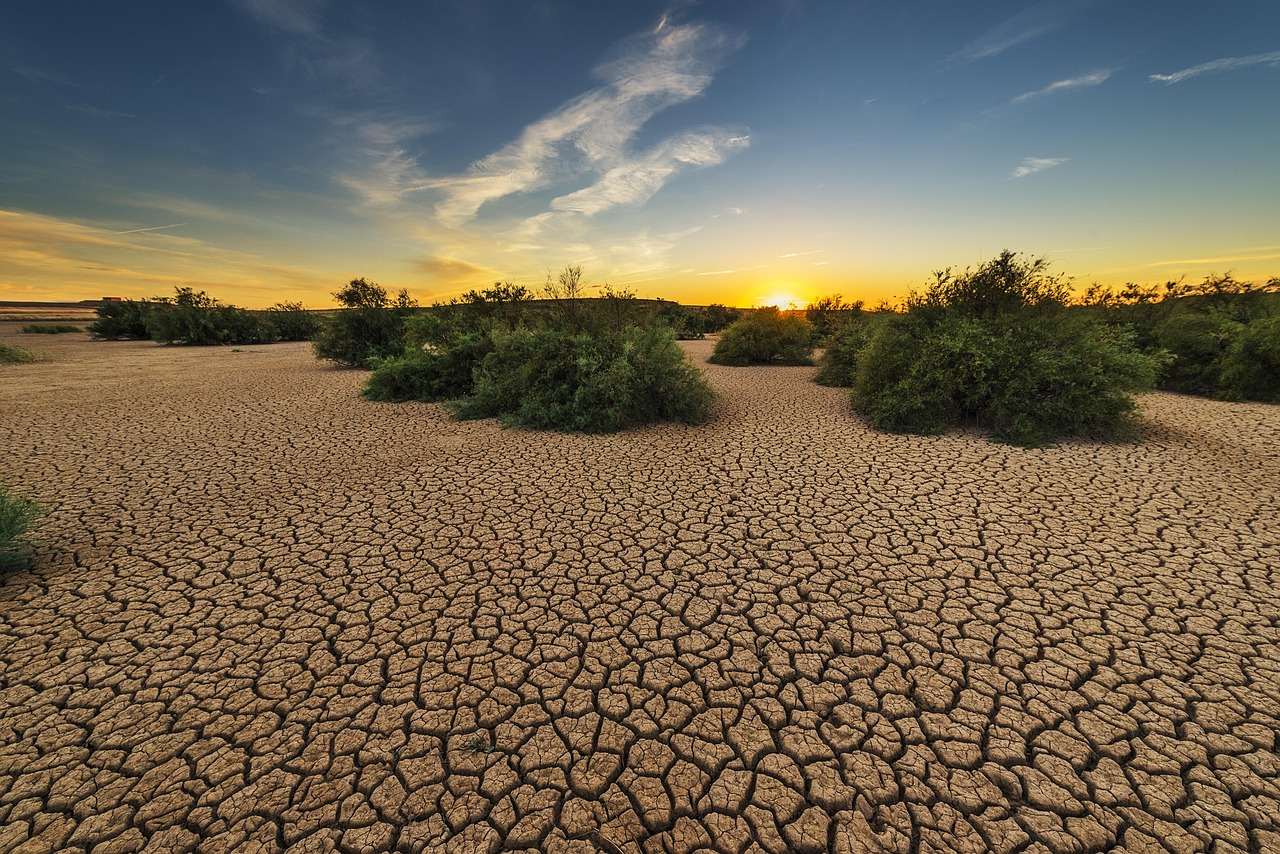
The UN stresses that the decisions taken in this critical decade matter most. Faster cuts to emissions mean smaller risks later.
Frequently asked questions
Is climate change the same as global warming?
Show answer
Not exactly. Global warming is the rise in average surface temperature, while climate change includes that rise plus its effects on rainfall, extremes, ice and seas.
Is climate change natural or caused by people?
Show answer
Climate has changed naturally in the past, but Climate.gov says the current warming is largely caused by human activities. It adds that no other known climate influences have changed enough to explain the trend.
How much has the world warmed?
Show answer
Climate.gov reports about 1.8°F (1.0°C) since 1880. The UN, citing the WMO, says 2024 was 1.55°C above the 1850-1900 average, so the figure depends on the baseline and year.
What is the 1.5°C target?
Show answer
It is the stretch goal of the Paris Agreement: pursue efforts to limit the long-term temperature rise to 1.5°C above pre-industrial levels. The main goal is to stay well below 2°C.