If you are wondering what causes climate change, the short answer is this: natural forces shaped past climates, but human activity, mainly burning fossil fuels, drives today’s warming. This guide is part of our wider overview of climate change basics.
| Item | Key fact |
|---|---|
| Main driver of warming since the mid-20th century | Human expansion of the greenhouse effect |
| Largest human source of carbon dioxide | Burning fossil fuels like coal and oil |
| Share of natural gas that is methane | 70% to 90% |
| Change in the Sun’s energy reaching Earth since 1880 | No net increase |
| Length of the Sun’s natural cycle | 11 years |
| Satellite record of incoming solar energy | Measured since 1978 |
These figures come from NASA’s causes of climate change page and the US EPA’s causes page. Figures can change as science is updated, so check the sources before you rely on them.
The short version: a natural effect, strengthened by people
Earth’s climate has always changed. Ice ages came and went, and volcanoes and the Sun nudged temperatures up and down long before anyone burned coal.
What is different now is the cause. Scientists attribute the warming seen since the mid-20th century to people strengthening the natural greenhouse effect, the process in which the atmosphere traps heat radiating from Earth toward space.
If you want the mechanism in detail, our explainer on what is the greenhouse effect walks through it step by step.
Natural drivers of climate change
Natural factors still matter for understanding the past. They are also the first thing people ask about, so it helps to look at each one in turn.
- Earth’s orbit and tilt: slow changes in the orbit and axis of rotation alter how much sunlight reaches different latitudes and seasons.
- Solar activity: the Sun’s energy output varies a little over time.
- Volcanic eruptions: they can cool the planet briefly or, over geological time, add carbon dioxide.
- Natural greenhouse gas changes: concentrations rose and fell naturally in the distant past.
Orbit and rotation
The EPA says changes in the earth’s orbit and its axis of rotation have had a big impact on climate in the past. The amount of summer sunshine on the Northern Hemisphere appears to be the primary cause of past ice-age cycles, according to the same page.
These shifts play out over very long periods. They cannot account for the speed of the warming measured in recent decades.
The Sun
Satellites have measured the energy Earth receives from the Sun since 1978. Those measurements show no net increase in the Sun’s output, even as global surface temperatures have risen.
NASA reports that the Sun follows a natural 11-year cycle of small ups and downs, with no net increase in the energy Earth receives since 1880. If the Sun were the cause, you would expect the two lines to climb together. They do not.
Volcanoes
Volcanoes have played a noticeable role in climate. Some explosive eruptions throw particles into the upper atmosphere, where they reflect sunlight and can cool the surface for several years.
The effect fades quickly. The EPA notes that particles from a single eruption do not produce long-term climate change because they stay in the atmosphere for a much shorter time than greenhouse gases.
Human drivers: how our activities add greenhouse gases
Greenhouse gases act like a blanket. Adding more of them makes the blanket thicker, so more heat stays near the surface.
NASA explains that over the last century, burning of fossil fuels like coal and oil has increased the concentration of atmospheric carbon dioxide. To a lesser extent, clearing of land for agriculture, industry and other human activities has increased concentrations of greenhouse gases.
To understand where that fuel comes from, read what are fossil fuels.
The main greenhouse gases and where they come from
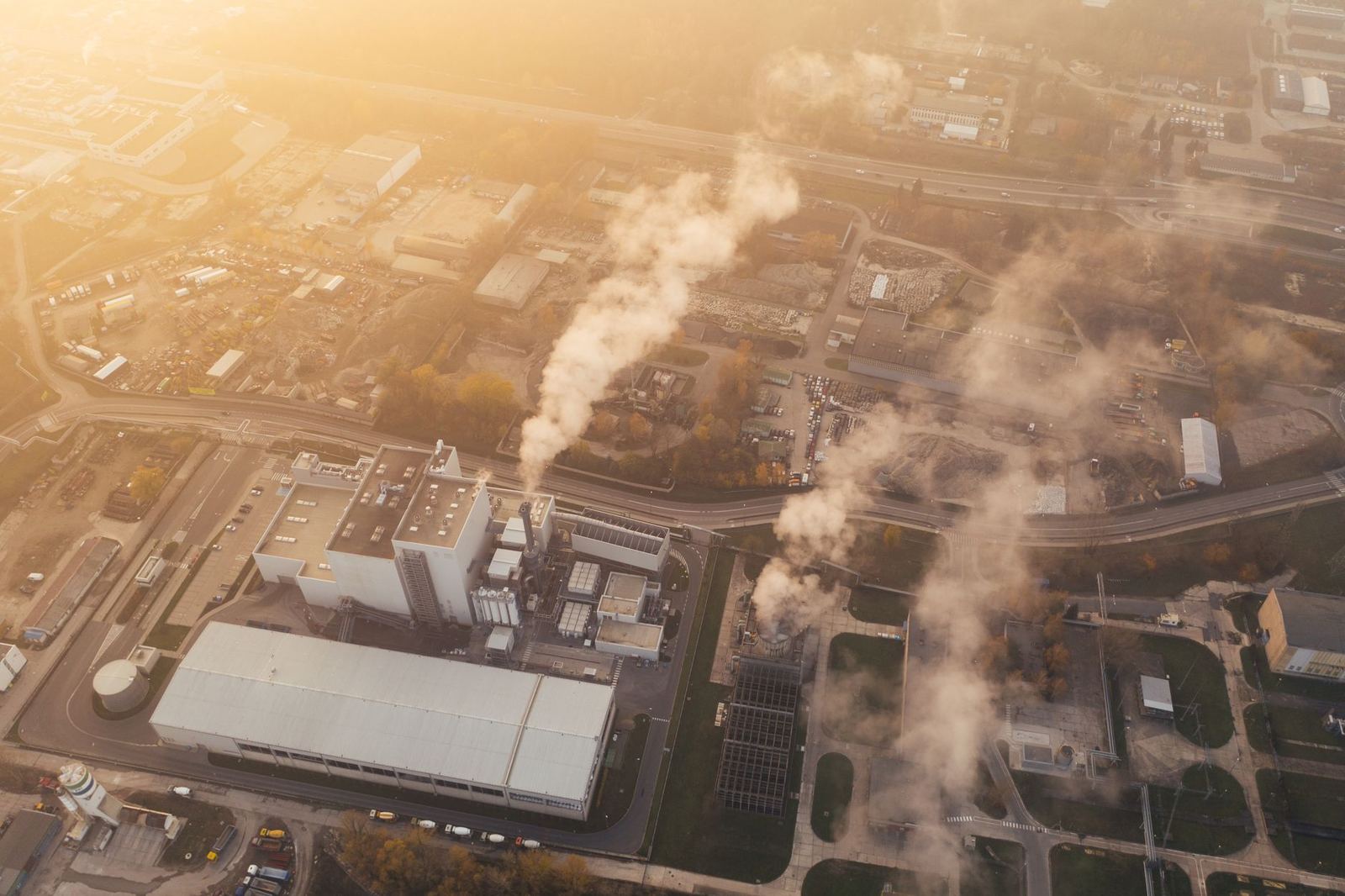
Several gases matter, and each has its own mix of natural and human sources. NASA names carbon dioxide, nitrous oxide, methane, chlorofluorocarbons and water vapor as five key greenhouse gases.
- Carbon dioxide: released through natural processes such as volcanic eruptions and through human activities such as burning fossil fuels and deforestation.
- Methane: comes from both natural and human sources, including wetlands, landfills, rice farming, and livestock digestion and manure.
- Nitrous oxide: a potent gas released during commercial and organic fertilizer production and use.
- Water vapor: the most abundant greenhouse gas, but a result of warming rather than a direct cause.
Fossil fuel production adds to the problem in another way. NASA says leaks from fossil fuel production and transportation are another major source of methane, and natural gas is 70% to 90% methane.
Water vapor behaves differently from the others. NASA says that because the warming ocean increases the amount of it in the atmosphere, it is not a direct cause of climate change. It amplifies warming that other gases start.
How scientists know humans are the cause
Researchers compare the possible causes against what has actually been measured. Natural drivers can explain earlier climate shifts, but they do not match the recent pattern.
The EPA states that recent climate changes cannot be explained by natural causes alone. NASA adds that in its Sixth Assessment Report, the Intergovernmental Panel on Climate Change concluded that it is unequivocal that the increase of carbon dioxide, methane and nitrous oxide over the industrial era is the result of human activities.
In practice, the evidence points one way:
- Greenhouse gas concentrations have risen through the industrial era, and the increase traces to human activity.
- The Sun’s output shows no net increase while temperatures climb.
- Volcanic cooling is short-lived and cannot produce a lasting trend.
- Orbital cycles act over far longer timescales than the recent warming.
What this means for you
Knowing the causes shows where change can make a difference. Because the main driver is greenhouse gases from fuel, farming and land use, the biggest levers are cleaner energy, less methane leakage, better farming practices and protecting forests.
Your own choices on energy, travel and food are part of that picture. They work alongside policy and technology, not in place of them.
Frequently asked questions
Is climate change just a natural cycle?
Show answer
Natural cycles have changed climate in the past, including ice ages driven by orbital shifts. The EPA says recent changes cannot be explained by natural causes alone, and NASA’s record shows no net increase in the Sun’s energy since 1880.
What is the biggest human cause of climate change?
Show answer
NASA identifies burning fossil fuels like coal and oil as the main reason carbon dioxide has increased over the last century. Land clearing contributes to a lesser extent.
Do volcanoes cause climate change?
Show answer
They influence climate, but mostly briefly. Explosive eruptions can cool the surface for several years, and the EPA says volcanic particles from a single eruption do not produce long-term climate change.
Is water vapor the main cause of warming?
Show answer
Water vapor is the most abundant greenhouse gas, but NASA says it is not a direct cause of climate change. It increases because the warming ocean puts more of it in the air.