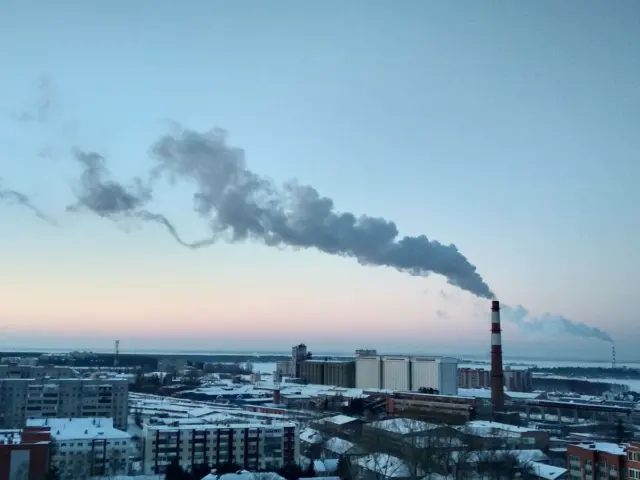
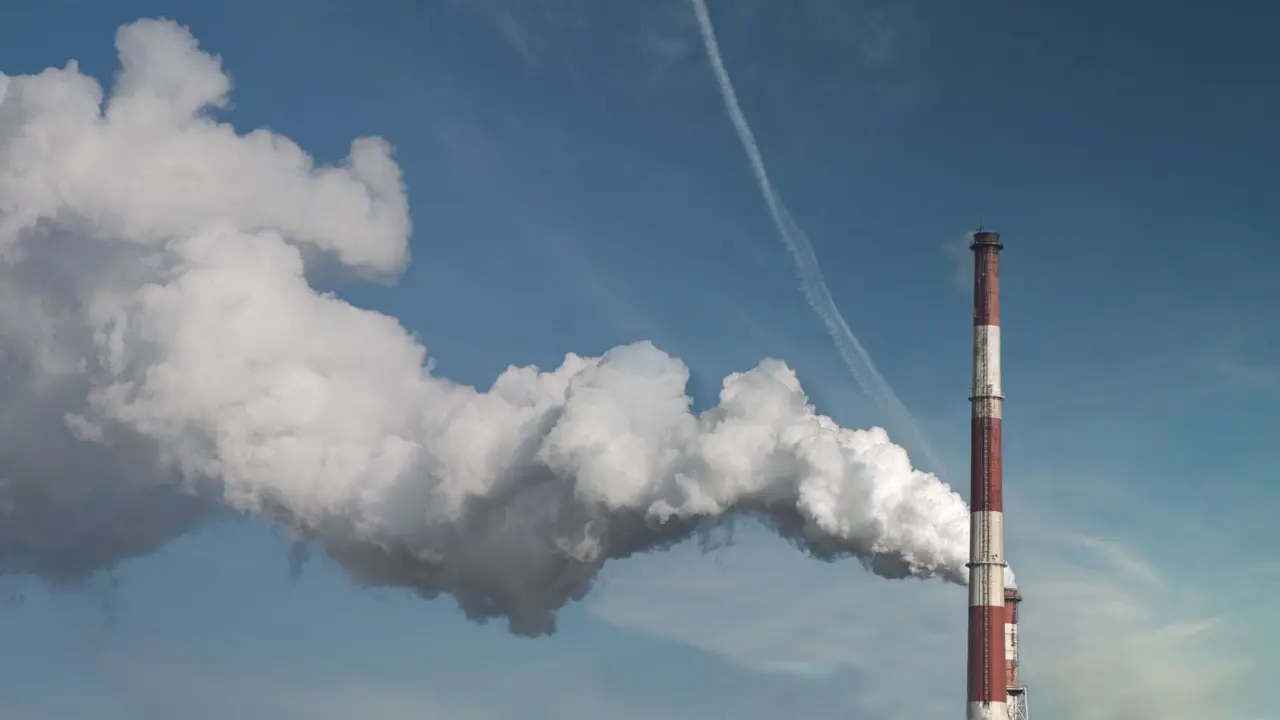
Wondering what is net zero and whether it just means “no emissions”? It doesn’t: net zero means cutting emissions as far as possible, then balancing what’s left by removing the same amount from the air.
This guide sits within our wider look at climate change basics.
| Item | Value |
|---|---|
| Warming limit net zero is meant to support | 1.5°C above pre-industrial levels |
| UN emissions cut needed by 2030 for 1.5°C | 45% |
| Global net zero date in the UN benchmark | 2050 |
| Countries with net-zero pledges (as of June 2024) | 107 |
| Share of global emissions those countries cause | Approximately 82 per cent |
The figures come from the United Nations Net Zero Coalition page. Targets and pledge counts change, so check the source before you rely on them.
What net zero actually means
People often hear “net zero” in headlines and assume it describes a world with no pollution at all. The reality is more precise, and the difference changes how you read any climate promise.
The UN puts it simply: net zero means “cutting carbon emissions to a small amount of residual emissions that can be absorbed and durably stored by nature and other carbon dioxide removal measures, leaving zero in the atmosphere.”
So there are two halves to the idea. First, emissions are reduced sharply. Second, a small remainder is balanced by taking carbon dioxide out of the atmosphere.
The word “net” matters. Some emissions may continue, as long as an equal amount is removed. That is different from “gross zero”, where nothing is emitted at all.
The two halves: cutting and removing
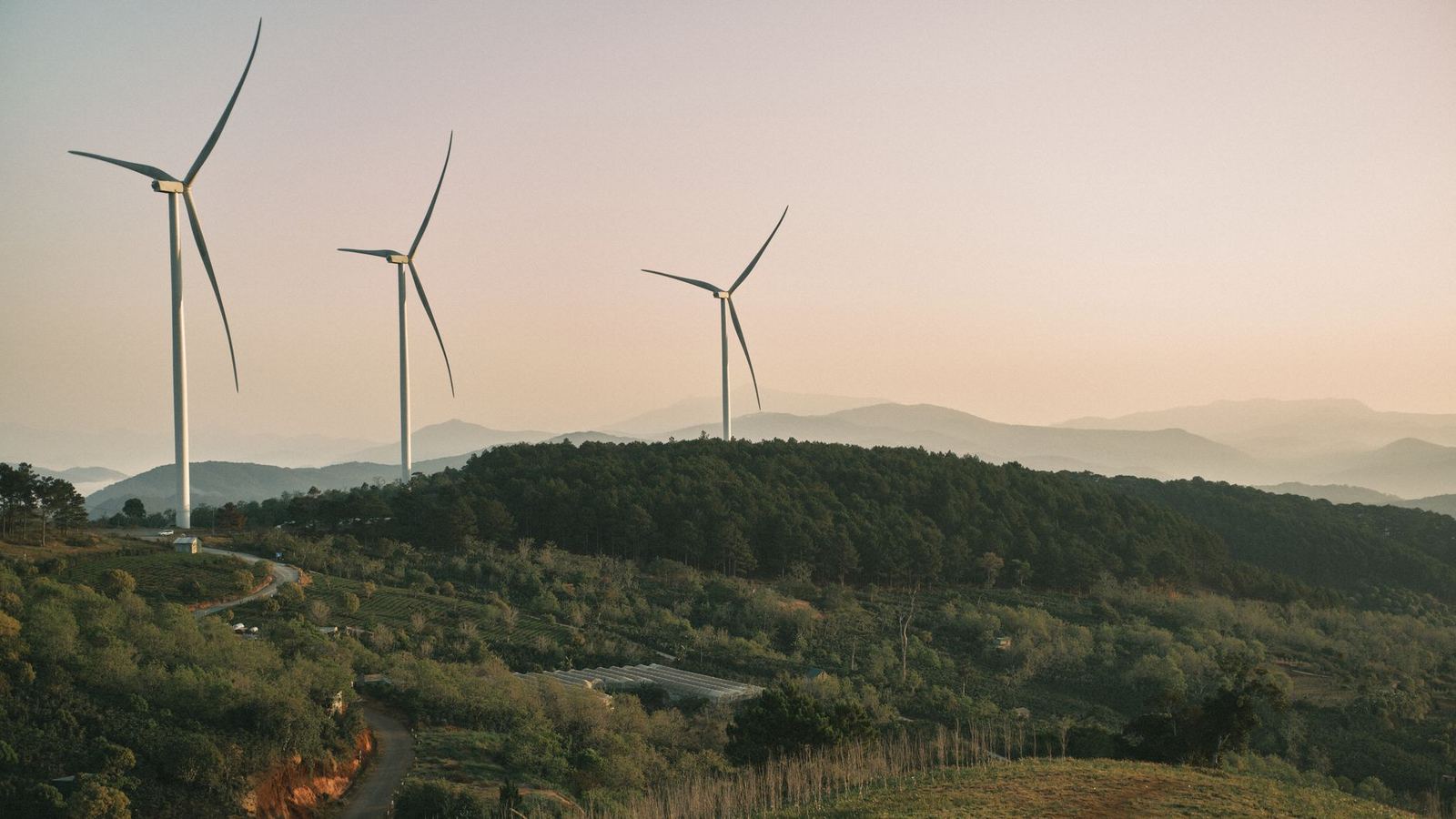
Cutting comes first and does most of the work. The UN notes that replacing polluting coal, gas and oil-fired power with renewable sources such as wind or solar would dramatically reduce carbon emissions.
Removal covers what is hard to eliminate. Typical examples are:
- Nature-based removal, such as protecting and restoring forests and other ecosystems that absorb carbon.
- Technological removal, where carbon dioxide is captured and stored durably.
Removal is meant for the leftovers, not as a substitute for cutting. A plan that leans mostly on removals while emissions keep rising is not what the UN description of net zero has in mind.
Why 1.5°C and 2050 keep coming up
The UN says global temperature increase needs to be limited to 1.5°C above pre-industrial levels to avert the worst impacts of climate change. To stay within that limit, as called for in the Paris Agreement, it says emissions need to be reduced by 45% by 2030 and reach net zero by 2050.
That wording comes from the UN page as we read it for this guide. Treat the dates as a benchmark and check the latest UN material.
If you want the background on why temperature matters, see our explainer on what is global warming.
Who has pledged to reach net zero?
The UN says a growing coalition of countries, cities, businesses and other institutions are pledging to get to net-zero emissions. As of June 2024, 107 countries, responsible for approximately 82 per cent of global greenhouse gas emissions, had adopted net-zero pledges, whether in law, in a policy document, or in an announcement by a high-level government official.
Pledges differ in strength. A target written into law is firmer than a statement of intent.
The UN also says current national plans fall short of what is required, and that businesses, investors, cities, states and regions need to live up to their net-zero promises too.
Who is responsible for getting there?
The UN says getting to net zero requires all governments, first and foremost the biggest emitters, to significantly strengthen their Nationally Determined Contributions (NDCs) and take bold, immediate steps towards reducing emissions now. An NDC is a country’s own climate plan under the Paris Agreement.
The UN lists the six largest emitters, in terms of total greenhouse gas emissions, as:
- China
- the United States of America
- India
- the European Union
- the Russian Federation
- Indonesia
Because most emissions come from just a few countries, what those governments do shapes the global result. Even so, the UN stresses that businesses, investors, cities, states and regions also need to live up to their net-zero promises.
It also calls the transition to a net-zero world one of the greatest challenges humankind has faced. That is a fair reminder that a pledge is the start of the work, not the end.
Net zero versus carbon neutral
The two terms are often used as if they were the same. They overlap, but they are not always identical in how organisations use them. Our guide on what is carbon neutral covers that comparison in more detail.
One practical point is scope. Net zero is usually discussed across all greenhouse gases, while some claims cover only carbon dioxide.
Pledges outside government
Beyond national plans, the UN says more than 9,000 companies, over 1000 cities, more than 1000 educational institutions, and over 600 financial institutions have joined the Race to Zero. They pledge to take rigorous, immediate action to halve global emissions by 2030.
Joining a campaign is easy to announce and harder to deliver. That is why the question of credibility keeps returning in the UN material.
How to judge a net-zero claim
The UN’s own message is blunt: commitments must be backed by bold, credible actions. UN Secretary-General António Guterres said on 8 November 2022 that government or private sector commitments to net-zero cannot be a mere public relations exercise.
In March 2022, Guterres established a High-Level Expert Group on the Net-Zero Emissions Commitments of Non-State Entities. Its job was to develop stronger and clearer standards for pledges by businesses, investors, cities and regions.
When you see a pledge, a few questions help:
- Is there a target date, and is it written down in a plan?
- Does it say how much will be cut directly, rather than only offset?
- Does it cover all emissions or only part of them?
- Is progress reported regularly?
Common misunderstandings
A few ideas about net zero sound sensible but lead people astray. Sorting them out makes headlines easier to read.
- “Net zero means we stop emitting.” Not quite. Some residual emissions are expected, and they are balanced by removals.
- “Removals let us keep emitting.” The UN framing puts reductions first, with removal covering only what remains.
- “A pledge is a result.” A pledge is a promise. Only measured, reported cuts show whether it is being kept.
- “Only governments matter.” Governments carry the biggest responsibility, but companies, cities and investors have their own commitments to meet.
Keeping these distinctions in mind helps you tell a serious plan from a slogan. A serious plan names its date, its main cuts and its remaining emissions, and it reports on progress.
The UN also notes that the net-zero transition must be fully complete by 2050 in its timeline. That leaves little room for vague promises that postpone action to later decades.
Frequently asked questions
Does net zero mean zero emissions?
Show answer
No. It means a small amount of residual emissions remains, balanced by an equal amount of carbon dioxide removal.
What date is net zero meant to be reached?
Show answer
The UN benchmark says emissions need to reach net zero by 2050 to keep warming to no more than 1.5°C.
How many countries have net-zero pledges?
Show answer
As of June 2024, the UN counted 107 countries with net-zero pledges, covering approximately 82 per cent of global greenhouse gas emissions.
Can offsets alone get a company to net zero?
Show answer
The UN description centres on deep emission cuts first, with removal covering only the residual amount. Offsets alone do not fit that description.