Wondering how to live a zero waste lifestyle without tossing out everything you own? Start small: audit your bin, fix the biggest category first, and use what you already have.
For wider context, see our green living tips.
| Item | Value |
|---|---|
| Global food waste, 2022 | 1.05 billion tonnes |
| Household food waste, 2022 | 631 million tonnes |
| Household share of food waste | up to 60 per cent |
| Edible food wasted daily | one billion meals |
| UN News report date | 27 March 2024 |
Figures come from UN News coverage of the UNEP Food Waste Index Report 2024. They can change as new data appears, so check the source before you rely on them.
What zero waste really means
Zero waste is a direction, not a pass-or-fail test. The goal is to send as little as possible to the bin by refusing, reducing, reusing and only then recycling or composting.
Nobody produces literally nothing. A realistic version means noticing what you throw away and cutting it step by step, without guilt and without buying a pile of new “eco” products.
The order matters. Recycling comes last, because the cleanest item is the one you never brought home.
- Refuse: say no to freebies, flyers, extra bags and plastic cutlery you will not use.
- Reduce: buy less, and buy only what you will finish or wear out.
- Reuse: choose items that can serve again, and extend the life of what you own.
- Recycle: sort what is left according to your local rules.
- Rot: compost food scraps and garden waste where you can.
Thinking in this sequence stops you from simply swapping disposable items for expensive reusable ones that sit unused in a cupboard.
Start with a bin audit
Before changing anything, look at what you actually discard. Habits you assume are wasteful are often not your biggest source, and a quick look saves effort later.
- Keep your usual bins for a full week, with no special effort.
- Each evening, note what went in: food scraps, packaging, paper, single-use items.
- At the end of the week, sort the notes into a handful of categories.
- Pick the largest category and tackle only that for the next few weeks.
- Repeat the audit later to see what has changed and choose your next target.
This keeps the project manageable. Most households find clear culprits, such as food scraps or takeaway packaging, and fixing those delivers more than many small tweaks.
Write the notes somewhere visible, like the fridge door. Seeing the pattern in black and white is often the push that gets habits to change, and it costs nothing.
If you share a home, ask others to join the audit. It turns a personal project into a shared habit and makes later changes easier to agree on.
Food is the best place to begin
Food is a strong first target. The UN environment agency’s report found that 1.05 billion tonnes of food went to waste worldwide in 2022, and households were the largest source at 631 million tonnes, or up to 60 per cent, according to UN News.
The same coverage says the equivalent of one billion meals go to waste every day. That makes your kitchen the most useful place to practise, and it saves money as well.
Simple kitchen habits
- Plan meals for the week and shop with a list.
- Check the fridge and cupboards before you buy.
- Store older food at the front and eat it first.
- Freeze bread, cooked grains and ripe fruit before they spoil.
- Turn leftovers and vegetable offcuts into soups, stir-fries or stock.
- Compost what is left, through a home bin or a local collection if you have one.
Cook with what you have
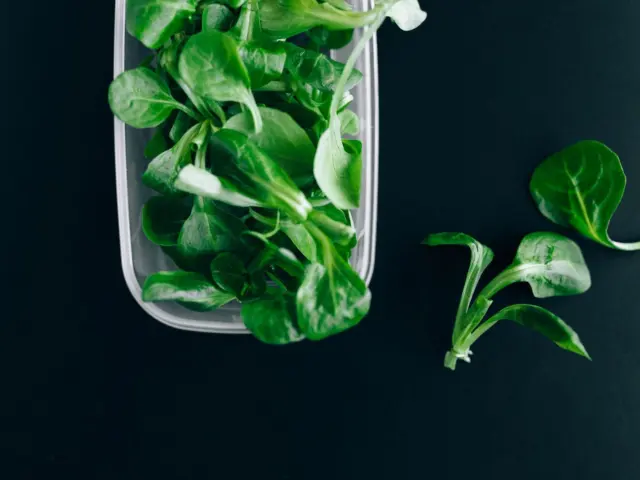
Pick a night each week to cook from whatever is already in the house. Wilting greens, the end of a loaf and half a jar of sauce make a surprisingly good meal.
Serve smaller portions and go back for more. It is easier to add food than to scrape a plate into the bin.
Cut packaging and single-use items
The easiest wins are items you carry or use daily.
- A reusable bottle, coffee cup and shopping bag.
- A small kit with a spoon, cloth napkin and container for takeaway.
- Bar soap and refillable cleaning products where available.
- Loose produce instead of pre-wrapped.
- Cloth rags in place of paper towels.
Our guide on how to reduce plastic waste at home goes room by room through these swaps.
Use up what you own first. A plastic container you already have is a better reusable than a new glass one, because the impact of making it has already happened.
Shop, borrow and repair differently
Much household waste starts at the till. Pausing before a purchase is the cheapest zero waste tool there is.
- Wait a few days before buying non-essentials, and see whether you still want the item.
- Borrow tools, books and party equipment from neighbours or a local library of things.
- Buy secondhand clothes, furniture and electronics when quality allows.
- Choose durable products with replaceable parts.
- Repair before replacing: sew a seam, tighten a hinge, or visit a local repair café.
When you do need to part with something that still works, sell it, donate it or give it away locally rather than binning it.
Recycle and compost what remains
Some waste is unavoidable, so sorting it properly matters. Rules differ by area, so follow your local council’s list and keep food residue out of the recycling.
Our explainer on how to recycle correctly covers the common mistakes.
Composting handles what recycling cannot. If you lack garden space, look for a community drop-off, a council food-waste collection or a small sealed indoor system.
Keep a small caddy on the counter for scraps and empty it regularly. A simple routine matters more than the equipment you choose.
Keep it sustainable for the long term
Treat the process as a series of small experiments rather than a lifestyle overhaul.
- Change a single habit at a time and wait until it feels automatic.
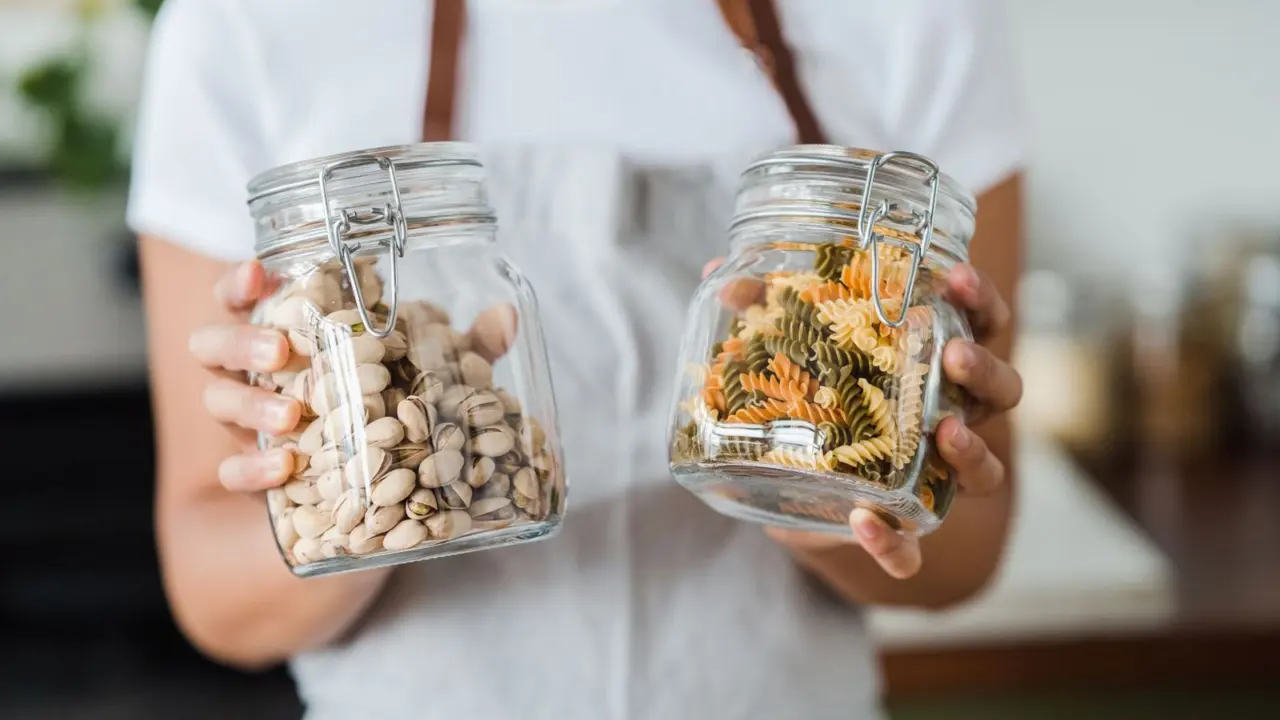
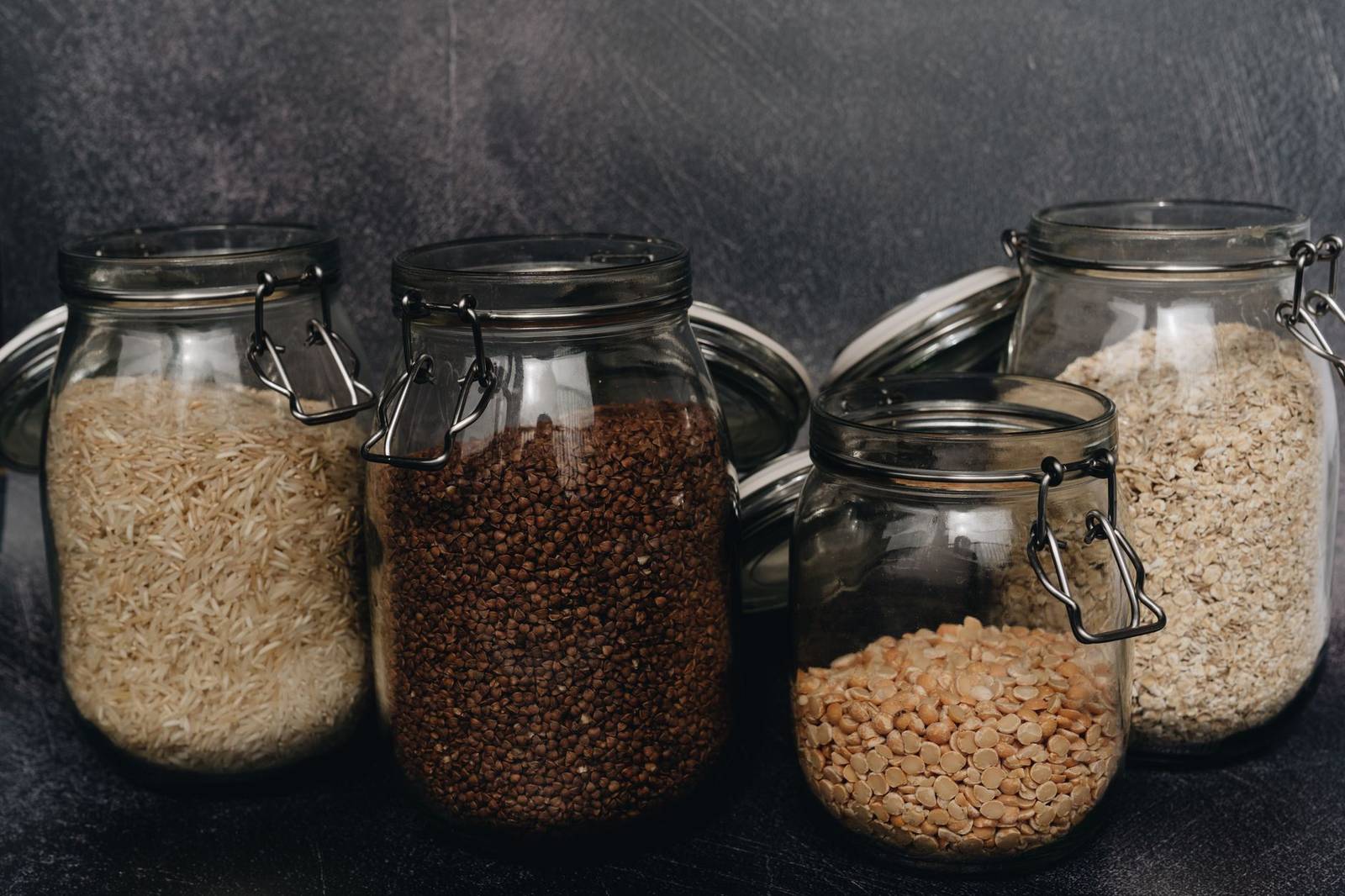
- Skip the aesthetic: mismatched jars work as well as matching ones.
- Accept that some weeks you will use plastic, and carry on.
- Share what works with friends or family rather than lecturing them.
- Track wins, such as a bin that fills more slowly, to stay motivated.
Perfection is not the point. Every item you avoid, reuse or compost counts, and small steady changes add up over the years.
Frequently asked questions
Is zero waste realistic for a busy household?
Show answer
Yes, if you treat it as reducing waste rather than eliminating it. Even modest habits, like meal planning and a reusable bottle, make a measurable difference.
Do I need to buy special products?
Show answer
No. Start with what you own. Buy replacements only when something wears out, and choose durable items.
Where should I start?
Show answer
Run a bin audit for a week, then focus on your largest category. For many homes, that is food waste.
Is recycling enough?
Show answer
Recycling helps, but it comes after refusing, reducing and reusing. Cutting what you bring home has a bigger effect than sorting it afterwards.