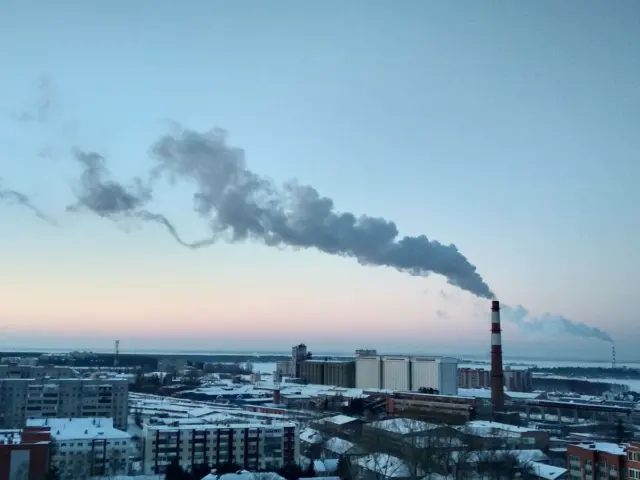

Seeing “carbon neutral” on a label and wondering what it promises? What is carbon neutral? It means the emissions an activity causes are balanced by an equal amount removed or offset elsewhere. It is not the same as zero emissions.
This guide is part of our wider look at climate change basics.
| Item | Value |
|---|---|
| Carbon neutral versus net zero ambition | Usually, net zero is more ambitious than carbon neutrality |
| Minimum scope for carbon neutrality (PAS 2060) | Scope 1 and 2 emissions, with Scope 3 encouraged |
| Global net zero timing for the 1.5C goal | Around 2050 |
| Paris Agreement commitment (2015) | Pursue efforts to limit warming to 1.5C |
| IPCC usage of the two terms | No explicit distinction, used interchangeably |
The figures come from the Carbon Trust and ClimateSeed. Targets and standards can change, so check the sources before you rely on them.
What carbon neutral actually means
Carbon neutrality is a balance. Defined on a global scale, it implies a balance between human-caused greenhouse gas emissions and their absorption by natural or technological sinks, according to ClimateSeed.
Think of a household budget. If you spend and earn the same amount, your balance does not grow. In the same way, a carbon neutral product or company still produces emissions, but claims to cancel them out.
The cancelling can happen in two broad ways:
- Reducing emissions at the source, for example by using cleaner energy or more efficient equipment.
- Removing carbon from the air, through forests, soils or technology.
- Offsetting, which means paying for a reduction or removal somewhere else to balance what you emitted.
The weight placed on each route varies a lot between claims. That is where most confusion starts.
How carbon neutral differs from net zero
The two terms are often swapped, but they are built on different ideas. The Carbon Trust says that in most cases net zero and carbon neutrality mean something quite different, and that net zero is usually the more ambitious of the two.
It names three points where they diverge: ambition, scope and the role of offsets. The standard for carbon neutrality, PAS 2060, requires organisations to commit to ongoing reductions. The minimum scope is Scope 1 and 2 emissions, with Scope 3 encouraged.
Scopes are a way of sorting emissions:
- Scope 1: direct emissions from sources an organisation owns, such as its boilers or vehicles.
- Scope 2: emissions from the electricity, heat or steam it buys.
- Scope 3: everything else in the supply chain and in the use of its products.
A claim that leaves Scope 3 out covers only part of the footprint, so it can look better than it is. For the other side of the comparison, see our explainer on what is net zero.
What do scientists and the IPCC say?
Here it gets less tidy. ClimateSeed notes that the IPCC makes no explicit distinction between carbon neutrality and net zero, and uses the terms interchangeably.
The same source says the IPCC’s glossary definition of carbon neutrality is identical to that of net zero CO₂ emissions. Within that scientific framework the two ideas are treated as equivalent when it comes to CO₂.
ClimateSeed also notes another common convention. Carbon neutrality is often presented as a global objective limited to CO₂, while net zero would apply to specific entities such as countries and companies, and to all greenhouse gases.
The practical lesson is that you cannot rely on the words alone. Always ask which gases, which emissions and which time frame a claim covers.
Why the 1.5C goal puts net zero in focus
The Carbon Trust points out that the 2015 Paris Agreement set an international commitment to pursue efforts to limit warming to 1.5C. Pathways that meet that goal share a common thread: halving emissions this decade and reaching net zero by around 2050.
Once emissions and removals balance globally, the Carbon Trust says, global warming stops worsening. That is why the global conversation has moved towards net zero rather than a single organisation being carbon neutral.
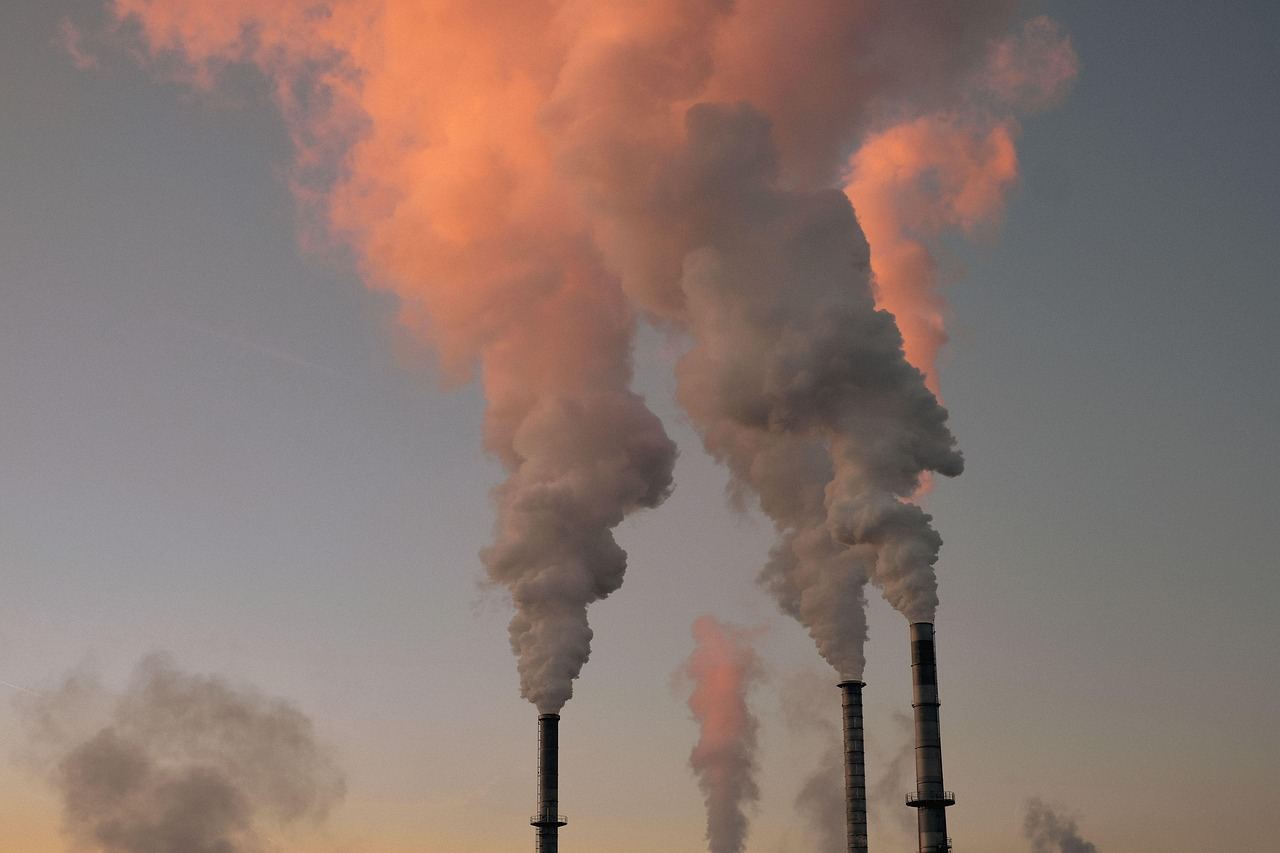
Much of the emissions debate centres on energy. If you want the background, read about what are fossil fuels.
A simple example of the difference
Picture a small bakery that wants to describe itself as carbon neutral. It adds up the emissions from its ovens and the electricity it buys, which are its Scope 1 and 2 emissions. It then pays for an offset project that claims to cancel that amount.
On paper, the bakery is now carbon neutral for that scope. Its flour suppliers, delivery partners and packaging may still produce emissions that the claim does not touch.
A net zero commitment would usually be more ambitious than carbon neutrality.
This example is illustrative, not a description of a real business. It shows why two organisations can both say “neutral” and mean very different things.
Common misunderstandings
Several myths follow the phrase around. Clearing them up makes labels easier to read.
- “Neutral means harmless.” A neutral claim describes a balance on paper, not an absence of emissions.
- “Offsets undo emissions instantly.” Offsets are a payment for a reduction or removal that happens elsewhere, and their quality varies.
- “Carbon means all gases.” Carbon neutral is often tied to CO₂, while net zero is often applied to all greenhouse gases.
- “The terms are always different.” Scientific bodies sometimes use them interchangeably, so check the definition each time.
Reading the fine print on scope, method and time frame is the habit that matters most. A short footnote often tells you more than the headline.
How to judge a carbon neutral claim
A carbon neutral label can be honest or hollow. A few questions help you tell the difference.
- Does the claim say what is covered: the product, the site, or the whole company and its supply chain?
- Does it show real reductions, or does it rely on offsets alone?
- Is there a recognised standard behind it, such as PAS 2060, and can you see the evidence?
- Is there a plan for continued cuts, rather than a one-off purchase of credits?
ClimateSeed warns that claims by individual entities can mislead if they imply that their activity generates no greenhouse gases. It also notes that global carbon neutrality relying on worldwide offsetting mechanisms could encourage misleading claims if not properly supervised.
None of this means carbon neutral claims are worthless. It means a claim is only as good as its scope, its evidence and its commitment to reducing emissions first.
Frequently asked questions
Does carbon neutral mean zero emissions?
Show answer
No. Something carbon neutral can still emit greenhouse gases. The emissions are balanced by removals or offsets rather than eliminated.
Is net zero stronger than carbon neutral?
Show answer
Usually, yes. The Carbon Trust says net zero is more ambitious than carbon neutrality in most cases, though in China the term carbon neutrality implies the same level of ambition as net zero.
Can carbon neutral be achieved with offsets alone?
Show answer
Depending on the standard, it can look that way. PAS 2060 requires a commitment to ongoing reductions, so a credible claim should not rest on offsets alone.
Does the IPCC treat the two terms differently?
Show answer
According to ClimateSeed, the IPCC makes no explicit distinction and uses them interchangeably, with identical definitions for carbon neutrality and net zero CO₂ emissions.