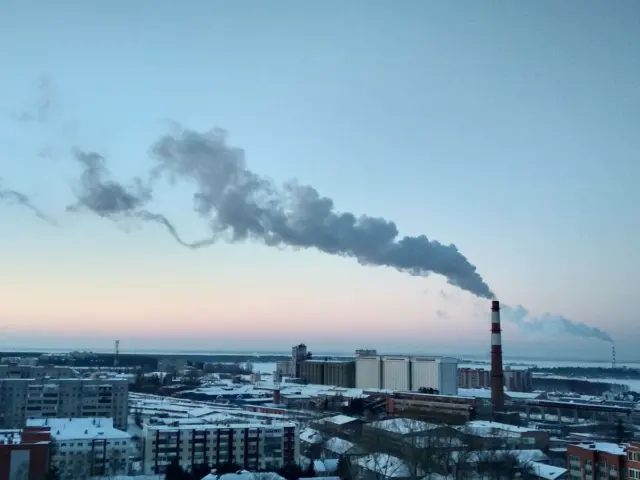

Wondering why a cold snap doesn’t disprove a warming planet? The difference between weather and climate is time: weather is what the sky does today, and climate is the long-term pattern of a place.
This guide is part of our series on climate change basics.
| Item | Value |
|---|---|
| Weather | A specific event over a short period, such as a rainstorm or hot day |
| Weather time scale | Tracked within hours or days |
| Climate | Average weather in a place over a long period |
| Climate time scale | 30 years or more |
| Period covered by the cited normals (NOAA) | 1991-2020 |
| Countries and territories submitting 1991-2020 normals to the WMO | 141 |
Definitions come from NOAA’s NESDIS education page and the normals figures from NOAA’s NCEI page. Figures can change, so check the sources before you rely on them.
Weather: what is happening right now
Weather is the condition of the atmosphere at a particular time and place. NOAA’s education page describes it as a specific event, like a rainstorm or hot day, that happens over a short period of time.
Because it changes quickly, weather is tracked within hours or days. NOAA’s page also notes that whatever the weather is doing now, it is probably going to be doing something else in a matter of hours.
Weather also varies sharply from place to place. It can pour on one side of a town and stay dry on the other.
Everyday weather questions include:
- Will I need an umbrella this afternoon?
- Is a storm heading toward the coast tonight?
- How hot will it get this weekend?
These are forecast questions. Forecasters answer them by modelling the atmosphere over the coming days.
Climate: the pattern behind the days
Climate is the average weather conditions in a place over a long period of time. NOAA’s page gives that period as 30 years or more.
Averages are only part of it. Climate also covers how much conditions swing, how often extremes happen and which seasons are wet or dry.
NOAA’s page says these are the characteristics that determine whether a region is a tundra, a desert or a rain forest. In short, climate is why you pack different clothes for different destinations before you know the day’s weather.
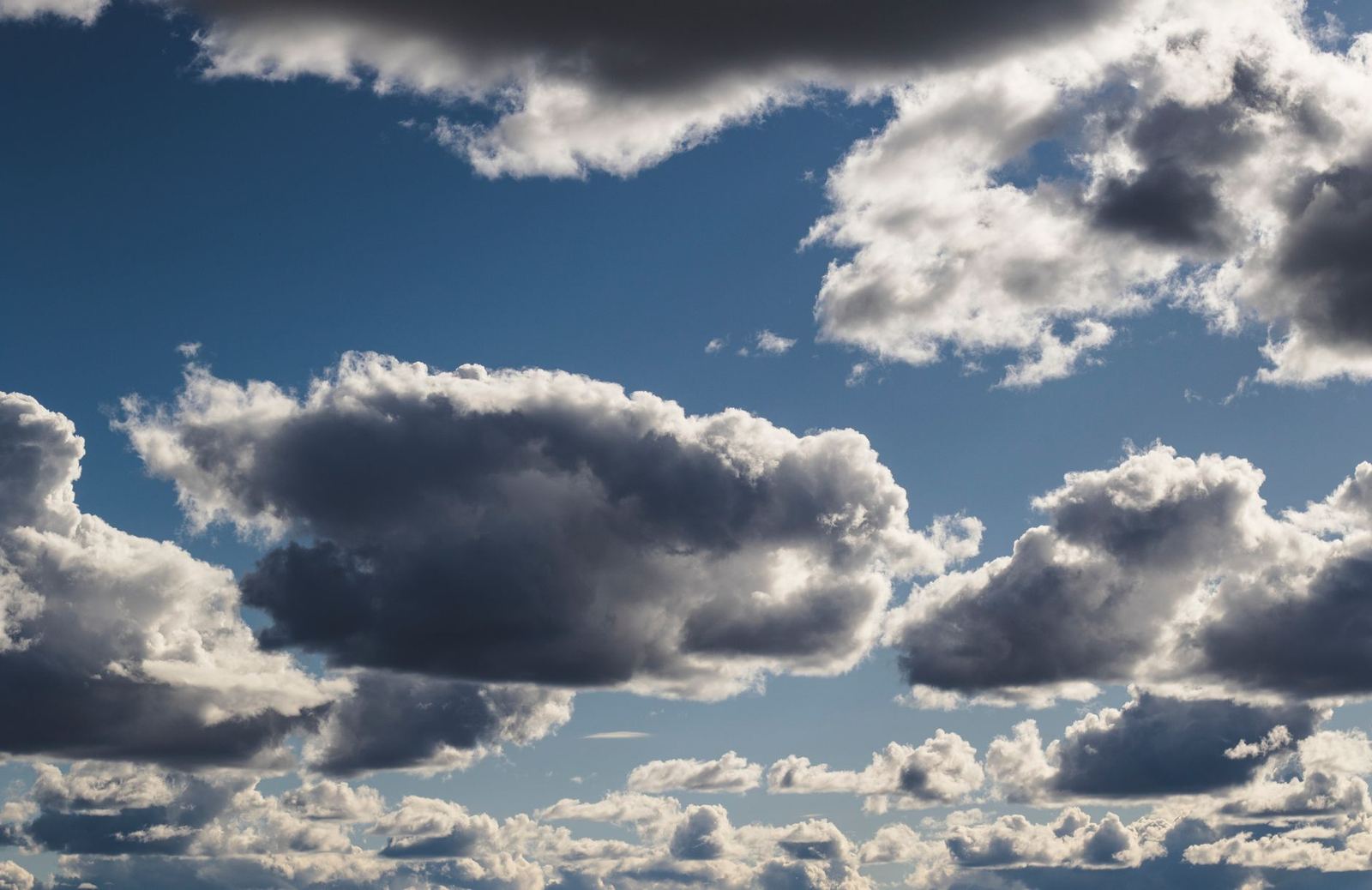
Why 30 years? How scientists set the baseline
A single year can be unusually hot or wet. Averaging over decades smooths out that noise, so the pattern shows through.
Countries compute these averages as “normals”. According to NOAA’s National Centers for Environmental Information, the World Meteorological Organization collected 1991-2020 normals from 141 countries and territories.
NOAA says countries produce normals that serve as a ruler to compare today’s weather and tomorrow’s forecast. That is why a weather report can call a day “warmer than normal”.
Weather versus climate side by side
- Time scale: weather is tracked within hours or days; climate spans 30 years or more.
- What it describes: weather is a specific event such as a rainstorm; climate is the average conditions in a place.
- Typical question: “Will it rain tomorrow?” is weather; “Is this region a desert or a rain forest?” is climate.
- Stability: weather changes quickly and can differ between nearby places; climate is a pattern that shifts slowly.
These definitions follow NOAA’s education page linked above. A handy way to remember it: weather is your mood today, and climate is your personality. One grumpy morning doesn’t change who you are.
What a cold day does and doesn’t tell you
Strong feelings about the weather are natural, because you live through it hour by hour. Climate is harder to feel, since it only appears when you step back and look at long records.
A freezing week is weather. It can’t show whether the long-term average is rising or falling, because that needs decades of records.
The same logic works in reverse. One record-breaking heatwave is weather, but a run of hotter averages over many years is a climate signal.
That is the link to a changing planet. If you want the longer story, read what is global warming to see how scientists track the long-term average.
Your own choices feed into that average too. For a personal angle, see what is a carbon footprint and how it is measured.
Why the mix-up matters in daily life
People mix the two up because both involve the same ingredients: temperature, rain, wind and sunshine. The difference lies in how long you watch them and how you summarise what you see.
Farmers, planners and travellers all use both ideas. A farmer checks the weather to decide when to spray a field this week, but relies on climate to choose which crop will suit the land over many seasons.
The same split shows up elsewhere:
- A city planner uses climate patterns to size drains and shade, and weather alerts to prepare for a storm.
- A traveller checks the forecast before packing a bag, but reads a climate guide to pick the best season to visit.
- A homeowner follows the weather to decide when to run a heater, and climate to decide how much insulation the house needs.
Seeing the split also helps with news. A report that says a storm was “caused by climate change” needs careful reading, because a single storm is weather, while the likelihood of such storms can shift as the long-term pattern changes.
Quick ways to tell them apart
- Look at the time frame. Hours or days point to weather; decades point to climate.
- Look at the wording. “Today”, “tonight” and “this week” are weather words.
- Look for averages. “Typical”, “average” and “tends to” signal climate.
- Ask whether it is a single event or a pattern. Events are weather; patterns are climate.
Using this checklist makes headlines easier to read. A story about one storm is about weather, while a story about trends over many years is about climate.
How scientists use both ideas together
Weather and climate are not rivals. Climate sets the stage, and weather is the performance that happens on it, so each day’s conditions are drawn from the range that the local climate allows.
A desert climate makes a heavy downpour rare, but it does not rule one out. A rain forest climate makes dry spells unusual, yet a dry week can still occur.
This is why researchers compare observations with the normals described by NOAA’s National Centers for Environmental Information. A day or a season is judged against the long-term baseline, and the gap shows whether conditions were typical.
When many seasons in a row drift in the same direction, the baseline itself starts to move. That slow movement is what people mean by a changing climate, and it can only be seen in long records, not in a single forecast.
A few habits keep the picture clear:
- Treat a single hot or cold spell as weather, however dramatic it feels.
- Look for long records before drawing a conclusion about climate.
- Remember that places differ, so a pattern in one region may not match another.
- Check the date and scope of any statistic before repeating it.
With these habits you can follow news about storms, heatwaves and long-term trends without confusing the two ideas. Each answers a different question, and both are useful when used for what they measure.
Frequently asked questions
Is the difference between weather and climate just a matter of time?
Show answer
Mostly, yes. NOAA describes weather as tracked within hours or days and climate as the average over 30 years or more. Climate also includes how variable conditions are, not only the average.
Can climate change if the weather is cold today?
Show answer
Yes. A cold day is a single weather event, while climate is the long-term average, so a single cold day can’t confirm or refute a trend.
Why do weather forecasts differ from climate projections?
Show answer
Forecasts describe specific conditions over hours or days. Climate describes average conditions over decades, so it deals in patterns rather than individual storms.
What is a climate normal?
Show answer
A normal is a long-term average that serves as a ruler for comparing today’s weather. NOAA’s NCEI page says the 1991-2020 normals came from 141 countries and territories.