
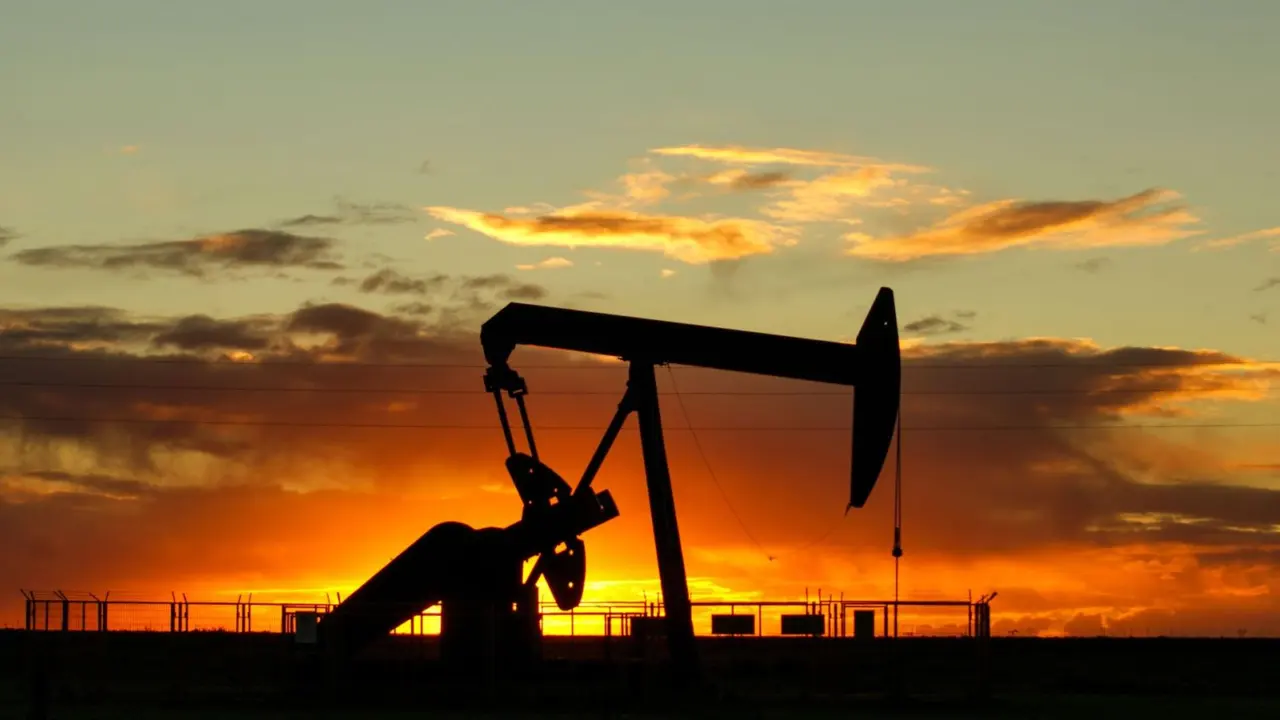
You keep hearing the term and want a plain answer. So, what are fossil fuels? They are coal, oil and natural gas, energy sources formed underground from ancient living matter. Burning them powers much of modern life and releases carbon dioxide.
This guide is part of our wider look at climate change basics.
| Item | Value |
|---|---|
| Petroleum share of US energy use, 2025 | About 38% (35.9 quads) |
| Natural gas share of US energy use, 2025 | About 36% (34.6 quads) |
| Coal share of US energy use, 2025 | 9%, down from about 37% in 1950 |
| Global fossil CO2 emissions, 2024 projection | 37.4 billion tonnes |
| Growth in fossil CO2 emissions, 2024 projection | Up 0.8% from 2023 |
The US figures come from the US Energy Information Administration and the global figures from the Global Carbon Budget. Figures change as new data is published, so check the sources before you rely on them.
How fossil fuels form
The US Energy Information Administration (EIA) explains that fossil fuels formed underground from decayed organic material. Over a very long time, buried plants and animals were changed by heat and pressure into fuels rich in carbon.
That is why they are called “fossil” fuels. They are not renewable on any human timescale, because we burn them far faster than nature makes them.
The three main types
The EIA names the three fossil fuels as petroleum, natural gas and coal. Each has a different form and typical use.
- Coal: a solid fuel, historically burned in power stations and industry.
- Oil (petroleum): a liquid refined into petrol, diesel, jet fuel and feedstock for plastics.
- Natural gas: a gas used for heating, cooking, electricity generation and industry.
Energy sources are measured in different physical units. The EIA notes that liquid fuels are counted in barrels or gallons, natural gas in cubic feet and coal in short tons, so it uses the British thermal unit to compare them.
What fossil fuels are used for
Fuels tend to specialise by sector. The EIA points out that petroleum is the primary fuel in the transportation sector, yet it accounts for almost none of the electric power sector’s primary energy consumption.
In practice, that means a few main jobs:
- Moving people and goods by road, air and sea, mostly with oil products.
- Generating electricity, historically with coal and increasingly with natural gas.
- Heating buildings and running industrial processes, often with natural gas.
How much of our energy comes from fossil fuels?
Fossil fuels have dominated the US energy mix for more than 100 years, according to the EIA, though the mix has changed over time. In 2025, petroleum’s share of total US energy consumption was about 38% (35.9 quads), and natural gas was about 36% (34.6 quads).
Coal has fallen the most. Its share of US energy consumption declined from about 37% in 1950 to 9% in 2025, largely because the electric power sector shifted to other energy sources.
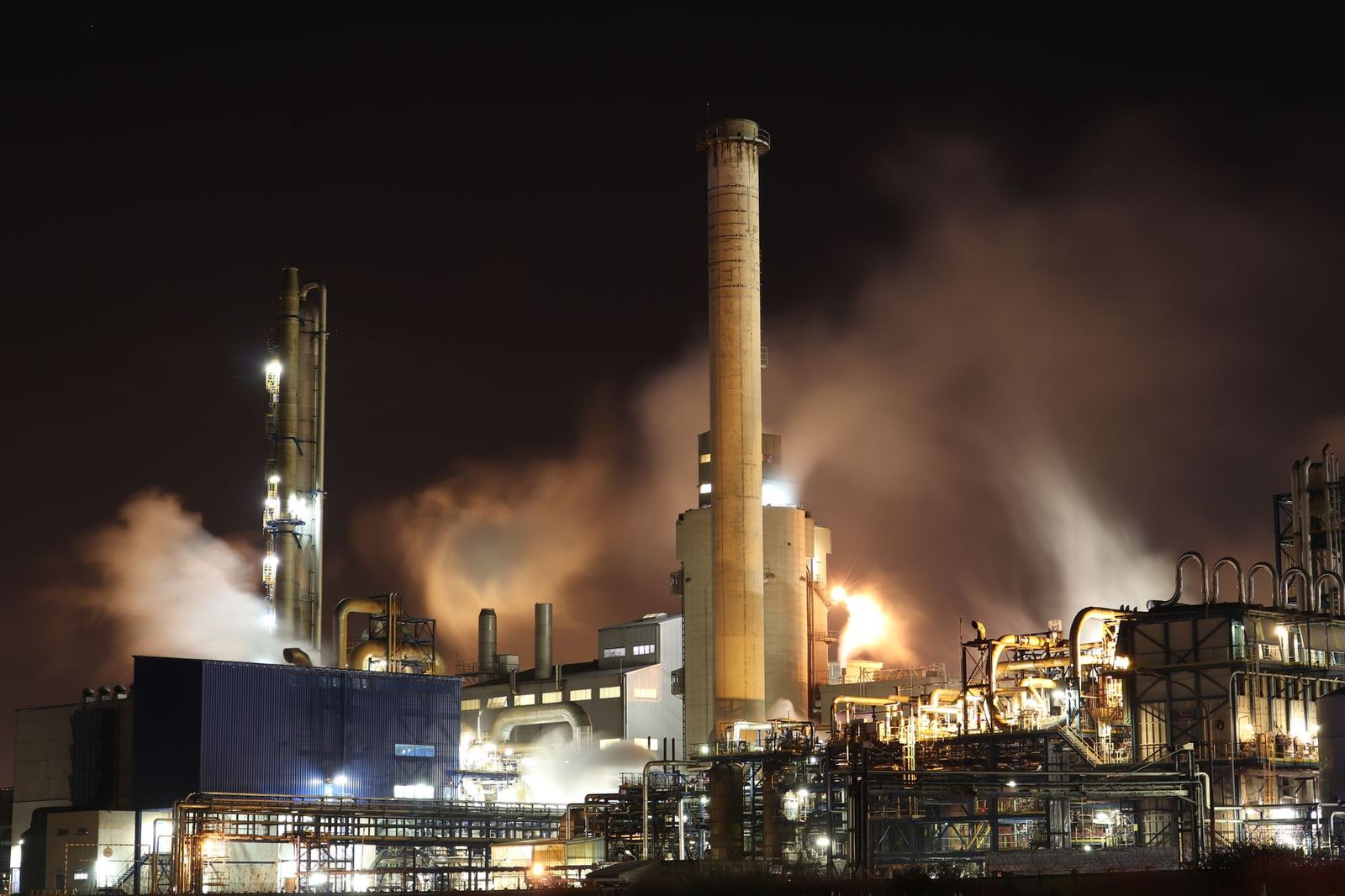
Over the same period, natural gas grew from about 18% of US primary energy consumption in 1950 to about 36% in 2025. Renewable energy reached a record of about 9% of consumption in 2025.
How the mix has shifted over time
The balance between the three fuels has moved a lot. EIA data show that petroleum’s share of US energy consumption peaked in the 1970s: in 1978 it was about 49%, or 37.9 quads.
Coal tells a different story. In terms of energy content, annual US coal consumption peaked in 2005 at about 22.8 quads, and production peaked in 1998 at about 24.1 quads.
The EIA adds that coal’s energy content has declined partly because the electric power sector has been shifting to lower-heat-content coal. Petroleum use also dipped in 2020 during the COVID-19 pandemic, then rose again as the economy returned to pre-pandemic activity.
Together, these shifts show why a single snapshot can mislead. A fuel’s share can fall because use drops, or because other energy sources grow faster.
Reading the numbers carefully
Fossil fuel statistics often look contradictory because they measure different things. Keep three checks in mind when you compare figures.
- Region: US shares of energy use differ from global shares of emissions.
- Measure: energy consumption (in quads) is not the same as CO2 emitted, because each fuel releases a different amount of carbon per unit of energy.
- Status: some figures are projections, such as the Global Carbon Budget’s 2024 numbers, and may be revised.
This is why coal can supply 9% of US energy in 2025 yet account for the largest share, 41%, of global fossil CO2 in the 2024 projection.
Fossil fuels and climate impact
Burning coal, oil and gas releases carbon dioxide, which builds up in the atmosphere and traps heat. If you want the full mechanism, see our explainer on what causes climate change.
The 2024 Global Carbon Budget projected fossil CO2 emissions of 37.4 billion tonnes, up 0.8% from 2023. Adding land-use change such as deforestation, total CO2 emissions were projected at 41.6 billion tonnes in 2024.
The report said coal, oil and gas contribute 41%, 32% and 21% of global fossil CO2 emissions respectively. Coal is therefore the largest single source, even though it supplies a smaller share of US energy than oil or gas.
The report’s authors note that with over 40 billion tonnes of CO2 released each year at present, the level of CO2 in the atmosphere continues to rise. Total emissions were projected at 41.6 billion tonnes in 2024, up from 40.6 billion tonnes the year before.
Land-use change was projected at 4.2 billion tonnes of that total. That means burning fossil fuels, not deforestation, is the larger part of the problem, though both matter.
The same report said it remained possible that coal emissions could decline in 2024, given the uncertainty in the projections. Fossil emissions are therefore not locked on one path, and policy and energy choices can change the direction.
Cutting fossil fuel use
Because fossil fuel use is the main source of CO2, reducing it is central to climate action. The Global Carbon Budget team says that until we reach net zero CO2 emissions globally, world temperatures will continue to rise.
Some organisations aim to balance their remaining emissions rather than eliminate them at once. To see how that works, read about what is carbon neutral, and treat offsets as a supplement to cutting use, not a substitute.
- Use less energy through efficiency, insulation and fewer unnecessary trips.
- Switch to electricity from lower-carbon sources where you can.
- Choose lower-carbon transport such as walking, cycling, public transport or electric vehicles.
Frequently asked questions
What are fossil fuels in simple terms?
Show answer
They are coal, oil and natural gas, fuels that formed underground from decayed organic material and release carbon dioxide when burned.
Is natural gas a fossil fuel?
Show answer
Yes. Alongside coal and oil, natural gas is one of the three fuels that formed from ancient organic material and releases CO2 when burned.
Which fossil fuel emits the most CO2 globally?
Show answer
Coal, according to the 2024 Global Carbon Budget, which put coal at 41% of global fossil CO2 emissions, ahead of oil at 32% and gas at 21%.
Is the US still reliant on fossil fuels?
Show answer
Yes. In 2025, petroleum supplied about 38% and natural gas about 36% of US energy consumption, with coal at 9%, per the EIA.