Staring at an overflowing bin of packaging? Here is how to reduce plastic waste at home: audit what you throw away, swap the biggest single-use items first, and keep reusables where you actually use them.
This guide is part of our wider collection of green living tips.
| Item | Value |
|---|---|
| US plastics generated (2018) | 35.7 million tons |
| Share of US municipal solid waste (2018) | 12.2 percent |
| Overall plastics recycling rate (2018) | 8.7 percent |
| Plastic sent to US landfills (2018) | 27 million tons |
| PET bottles and jars recycling rate (2018) | 29.1 percent |
These figures come from the US EPA plastics material-specific data page, which reports 2018 data. Figures can change as agencies update their reports, so check the source before you rely on them.
Why reduce plastic waste at home at all
Plastic is light, cheap and everywhere, which is exactly why it piles up. The EPA reports that in 2018 plastics generation was 35.7 million tons in the United States, or 12.2 percent of municipal solid waste.
Recycling does not absorb most of it. The same EPA page puts the recycled amount at three million tons, an 8.7 percent recycling rate, while landfills received 27 million tons of plastic that year.
The lesson for a household is simple: reducing beats relying on the recycling bin. Every item you never bring home is an item that needs no sorting, no collection and no disposal.
Recycling still matters for what you do buy. The EPA notes that some containers do better than the average: PET bottles and jars were recycled at 29.1 percent, and natural HDPE bottles at 29.3 percent, both in 2018.
Start with a plastic audit of your bin
You cannot cut what you have not noticed. Before buying any replacements, spend a week seeing where your plastic actually comes from.
- Keep a spare bag or box next to your bin and put every piece of plastic packaging in it, rather than the bin.
- At the end of the week, sort it into groups: food packaging, drinks, bathroom and cleaning products, bags and wrap.
- Circle the top two groups. These are your first targets.
- Note which items are bought repeatedly, such as water bottles, produce bags or shampoo bottles. Repeat purchases offer the biggest payoff for a swap.
Start with the repeated purchases you identified rather than replacing everything at once.
Do not throw away plastic items you already own and still use.
Easy swaps in the kitchen and food shop
The kitchen is usually where the most plastic enters the home, because food is so often wrapped, bagged and bottled. The EPA data show containers and packaging as the largest plastic category, at over 14.5 million tons in 2018.
These swaps are low-cost and work for most households:
- Reusable shopping bags: keep them by the door or in the car so you do not forget them.
- Cloth or mesh produce bags: they replace the thin film bags at the fruit and vegetable aisle, and they wash easily.
- Refillable water bottle: a steel or glass bottle replaces a steady stream of disposable ones.
- Glass or steel food containers: use them for leftovers and lunches instead of cling film and disposable tubs.
- Beeswax wraps or a plate over a bowl: both cover food without clingfilm.
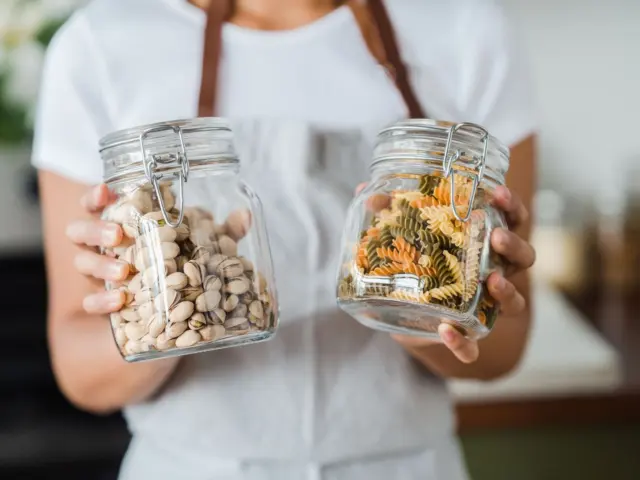
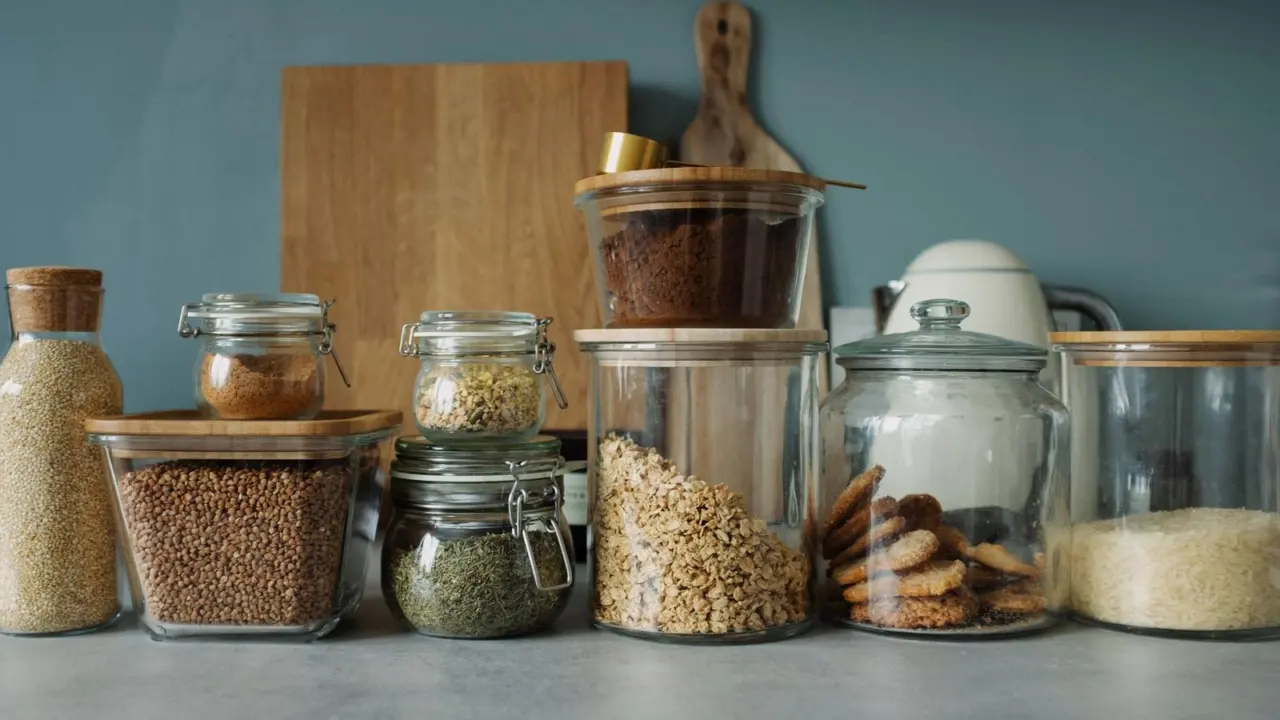
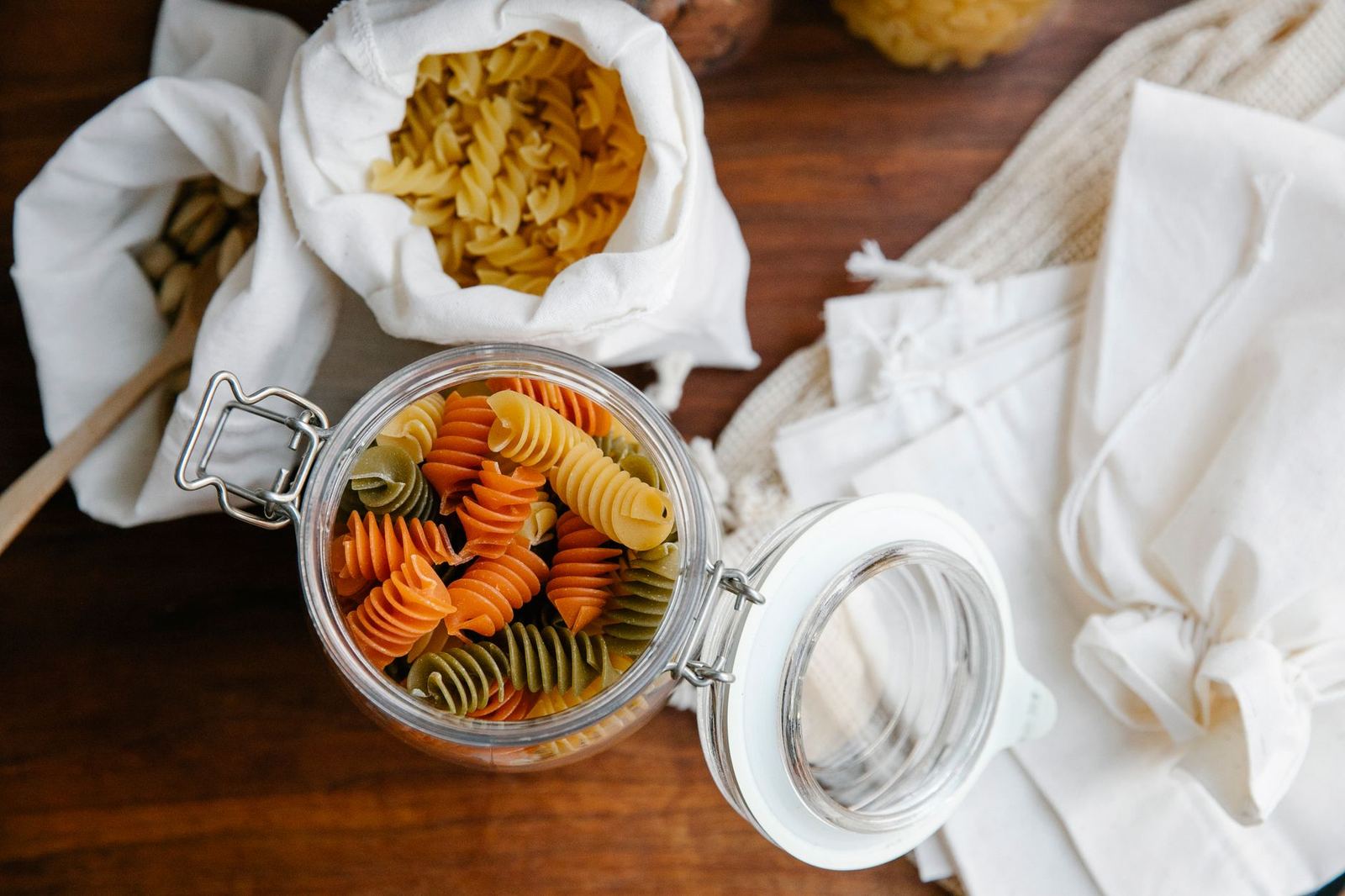
- Bulk and loose items: buy rice, pasta, nuts and oats from bulk bins or in larger paper or cardboard packs, if your local shops offer them.
- Bar soap and dish blocks: they remove the pump bottle altogether.
Cooking more from scratch also helps. Fresh ingredients tend to come with less packaging than ready meals, and you control the portions.
If you have a market, a greengrocer or a refill shop nearby, try one trip a week there. You do not have to change every shop, just the one that suits your routine.
Swaps for the bathroom and cleaning cupboard
Consider these swaps when you next need bathroom and cleaning products.
- Shampoo and conditioner bars or refills for the bottle you already own.
- Bar soap instead of liquid hand wash in a new pump each time.
- Bamboo or other refillable toothbrush heads to cut the amount of handle you throw away.
- Concentrated cleaning tablets or refill pouches that you dilute in a bottle you keep.
- Washable cloths in place of disposable wipes, which often contain plastic fibres.
- A safety razor or a razor with replaceable blades instead of disposable razors.
Refill options vary by area and by brand, so check what is sold near you before you commit. A refill is worth it only if you actually keep and reuse the container.
Cutting plastic when you are out and about
Takeaway items are some of the hardest to avoid, because they are made to be used once. A small kit makes them easy to skip.
Carry a reusable cup, a bottle and a spare bag. Add a set of cutlery and a small container if you often buy lunch or eat takeaway.
Say no to straws, lids and extra sachets when you order. Most of the time, the staff will happily leave them out.
At home, think about the products you can make or buy in a different form. Hot drinks from a flask, a home-brewed cold drink or a glass jar of snacks are all quick ways to avoid single-use packaging.
Make the changes stick
Swaps fail when they cost effort every day. Set them up so the better choice is also the easy one.
- Change one habit at a time, and give it a few weeks before adding another.
- Put reusables where you use them: bags by the door, bottle by the keys, containers at eye level.
- Buy refills and replacements only when the current item runs out.
- Repair, reuse and pass on items before you replace them.
- Share the plan with the people you live with, so one person is not doing all the work.
If you want to go further, our guide on how to live a zero waste lifestyle covers the wider habits beyond plastic. Many of the same routines also lower your bills, and our piece on how to save energy at home is a good next step.
Finally, remember that perfection is not the goal. A household that cuts its plastic by a meaningful amount, and keeps doing so, does more good than one that tries everything for a month and then gives up.
Frequently asked questions
What is the quickest way to reduce plastic at home?
Show answer
Start with a short bin audit and swap your most repeated purchases first, usually bottles, bags and food wrap. A refillable bottle and reusable bags are the easiest first steps.
Is recycling enough?
Show answer
No. The EPA reported an overall plastics recycling rate of 8.7 percent for 2018, so most plastic was not recycled. Buying less plastic in the first place is more effective.
Should I throw out my plastic containers and buy glass?
Show answer
No. Keep using what you own until it wears out. Replace it with a durable option when you need a new one.
Are reusable swaps always better?
Show answer
They are better when you use them many times. A reusable item that sits in a cupboard saves nothing, so buy only what you will actually use.