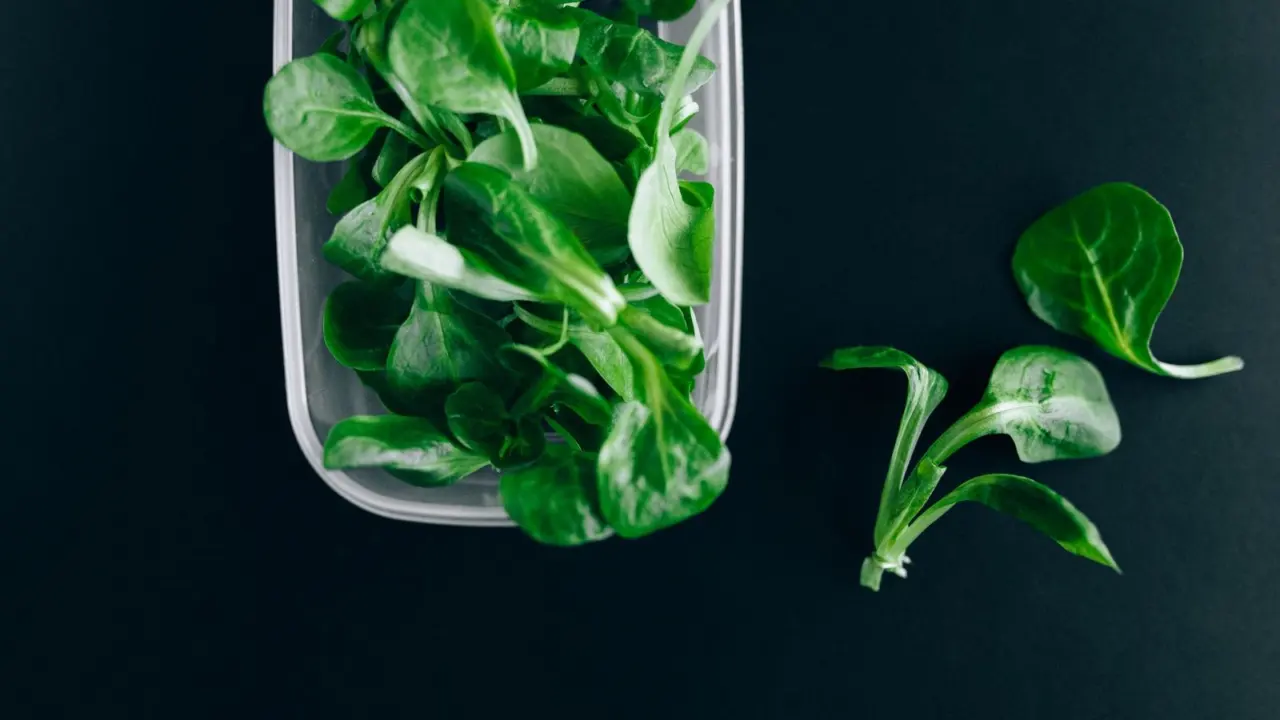
Tossing wilted greens again? Here is how to reduce food waste at home: plan meals around what you already own, store food properly, and use leftovers and scraps before they spoil.
This guide is part of our wider collection of green living tips.
| Item | Value |
|---|---|
| Global food wasted in 2022 | 1.05 billion tonnes |
| Household share of that waste in 2022 | 631 million tonnes, up to 60 per cent |
| Average food wasted per person each year | 79 kilogrammes |
| Meals wasted worldwide each day | One billion |
| Household wasted food that ended up in landfills, combustion or sewers (US, 2019) | About 96 percent |
Figures come from UN News on the UNEP Food Waste Index Report 2024 and the US EPA’s page on preventing wasted food at home. Figures can change when new reports appear, so check the sources before you rely on them.
Why kitchen food waste matters
Most people picture food waste as something that happens in farms or supermarkets. The data say otherwise: households are the biggest source. According to UN News, reporting on the UN Environment Programme’s Food Waste Index Report 2024, households produced 631 million tonnes, or up to 60 per cent, of the food wasted in 2022.
The same report put the global total at 1.05 billion tonnes and the average at 79 kilogrammes per person each year. UN News also described the scale as the equivalent of one billion meals going to waste every day, published on 27 March 2024.
The US EPA adds a point about where the waste goes. It estimates that in 2019, about 96 percent of households’ wasted food ended up in landfills, combustion facilities, or down the drain to the sewer system. Very little of it, in other words, was put to a second use.
The EPA also says preventing food from going to waste is “one of the easiest and most powerful actions you can take to save money and reduce your environmental footprint.” That makes the kitchen a practical place to start.
Plan and shop with what you already have
Waste often begins in the shop, not the bin. Buying without a plan leads to duplicate jars, forgotten produce and bulk packs that never get finished.
The EPA’s planning advice is simple. It suggests that you look in your refrigerator, freezer, and pantry first to avoid buying food you already have. It also recommends that you make a list each week of what needs to be used up and plan upcoming meals around it.
A quick weekly routine
- Check the fridge, freezer and cupboards before you write a list.
- Choose meals that use up the oldest or most fragile items first.
- Write a shopping list tied to those meals, and stick to it.
- Be realistic about how many nights you will actually cook at home.
- Leave one flexible night for leftovers or a “clear the fridge” meal.
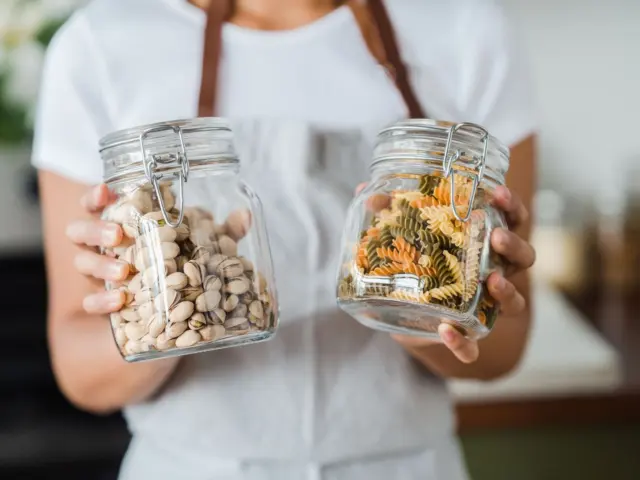
If you buy in bulk, the EPA advises storing food properly in airtight, labeled containers. A bargain is only a bargain if you finish it.
Store food so it lasts longer
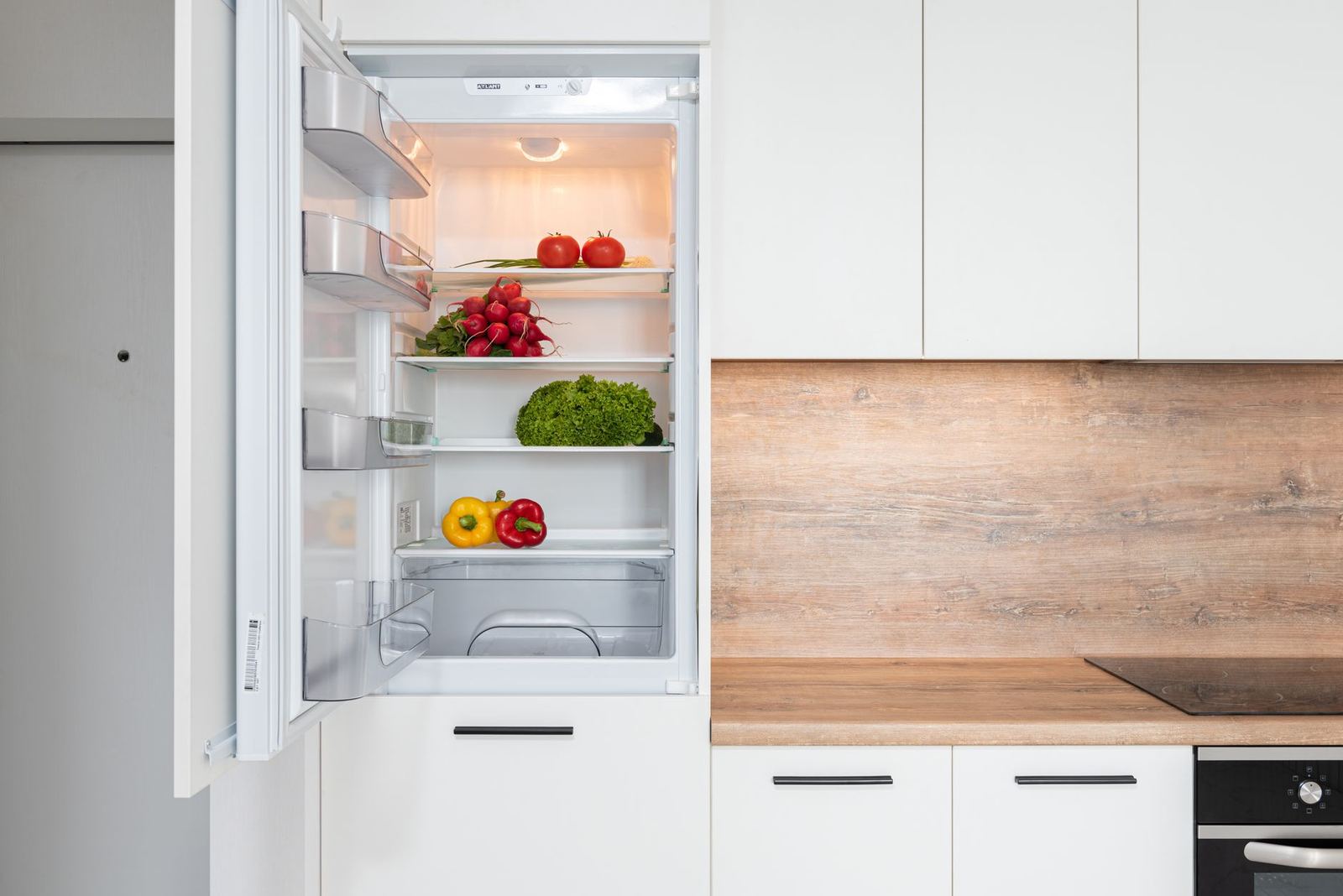
Good storage is the quiet hero of a low-waste kitchen. The EPA notes that properly stored fruits and vegetables taste better and last longer, which helps you eat more of them before they go bad.
Some produce needs different conditions from the rest. The EPA says potatoes, eggplant, winter squash, onions, and garlic should be stored in a cool, dry, dark, and well-ventilated place. The EPA adds that some items should be stored away from other produce, so check each one rather than putting everything in one drawer.
Habits that help
- Move older items to the front of the shelf and put new purchases behind them.
- Keep leftovers in clear containers so you can see them.
- Label containers with the dish and the date.
- Freeze bread, cooked grains, soups and sauces before they turn.
- Keep a “eat me first” box in the fridge for items close to their end.
The EPA also points to Save the Food tools, including an interactive storage guide, if you are unsure where a particular item belongs.
Cook with leftovers and scraps
Cooking is where you can turn near-waste into a meal. A bag of tired vegetables becomes soup, stale bread becomes toast or breadcrumbs, and cooked rice becomes fried rice the next day.
Scraps often have a second life too. Onion skins, carrot ends and herb stems can simmer into stock, which you can freeze in portions. Overripe fruit works well in smoothies or baking.
- Soups and stews: good for limp vegetables and the end of a roast.
- Stir-fries and fried rice: take almost any leftover vegetable or protein.
- Baking: uses soft bananas and fruit that is past its best.
- Sandwiches and wraps: carry small amounts of leftover fillings.
The EPA lists a waste-less cookbook, The Scraps Book, among its resources if you want recipe ideas built around scraps.
Portion size matters as well. Cooking a little less, and serving smaller first helpings, leaves less on plates to throw away.
What to do with food you cannot save
Some waste is unavoidable, such as peels, bones and coffee grounds. The EPA’s guidance is to prevent first and, if you cannot reduce wasted food, divert it from landfills. Diverting scraps means giving them a use, such as compost, rather than sending them to the bin.
Home composting is the most direct option. If you want to try it, read our guide on how to start composting. Check local rules too, because some areas run curbside food-scrap collection.
Cutting waste in the kitchen pairs well with other household habits. For more on the rest of the house, see our guide on how to save water at home.
Common mistakes that cause waste
Even careful households slip into a few predictable habits. Spotting them is half the work, because each has an easy fix.
- Shopping hungry: a full stomach makes for a shorter, more realistic list.
- Buying for an imagined week: plans change, so buy fresh food for the meals you are sure about and rely on freezer and pantry staples for the rest.
- Hiding leftovers: food at the back of a shelf is food you forget. Clear containers and a visible spot fix this.
- Cooking too much: measure rice, pasta and grains until you know your household’s usual appetite.
The EPA’s Save the Food planning tools, including the Guest-imator and Meal Prep Mate, can help with portions for guests and with weekly prep.
Start small and track it
You do not need to overhaul everything at once. Pick one habit, such as the weekly fridge check, and keep it up for a month before adding another.
Some people find it useful to note what they throw away for a week. Patterns show up fast: perhaps it is always salad leaves, or bread, or the half-used jar of sauce. Once you know your own pattern, you can buy less of that item, freeze it earlier or find a recipe that uses it up.
Households that share a kitchen can agree on a shelf for “use soon” food, so everyone knows what is fair game. Small agreements like this prevent a lot of quiet spoilage, and they save money as well. The EPA points out that buying only what you need and eating what you buy saves you money.
Frequently asked questions
Where does most food waste come from?
Show answer
Households. UN News, reporting on the UNEP Food Waste Index Report 2024, says households produced 631 million tonnes, or up to 60 per cent, of food wasted in 2022.
What is the easiest first step?
Show answer
Look in your refrigerator, freezer, and pantry before you shop, as the EPA suggests. Then plan meals around what needs using up.
How should I store leftovers?
Show answer
Use clear containers and label them with the dish and date, so you remember what is inside and use it in time.
Does throwing food away really matter if it goes to landfill?
Show answer
Yes. The EPA estimates that about 96 percent of households’ wasted food in 2019 ended up in landfills, combustion facilities, or sewers rather than being reused. Preventing waste saves the money spent on that food too.