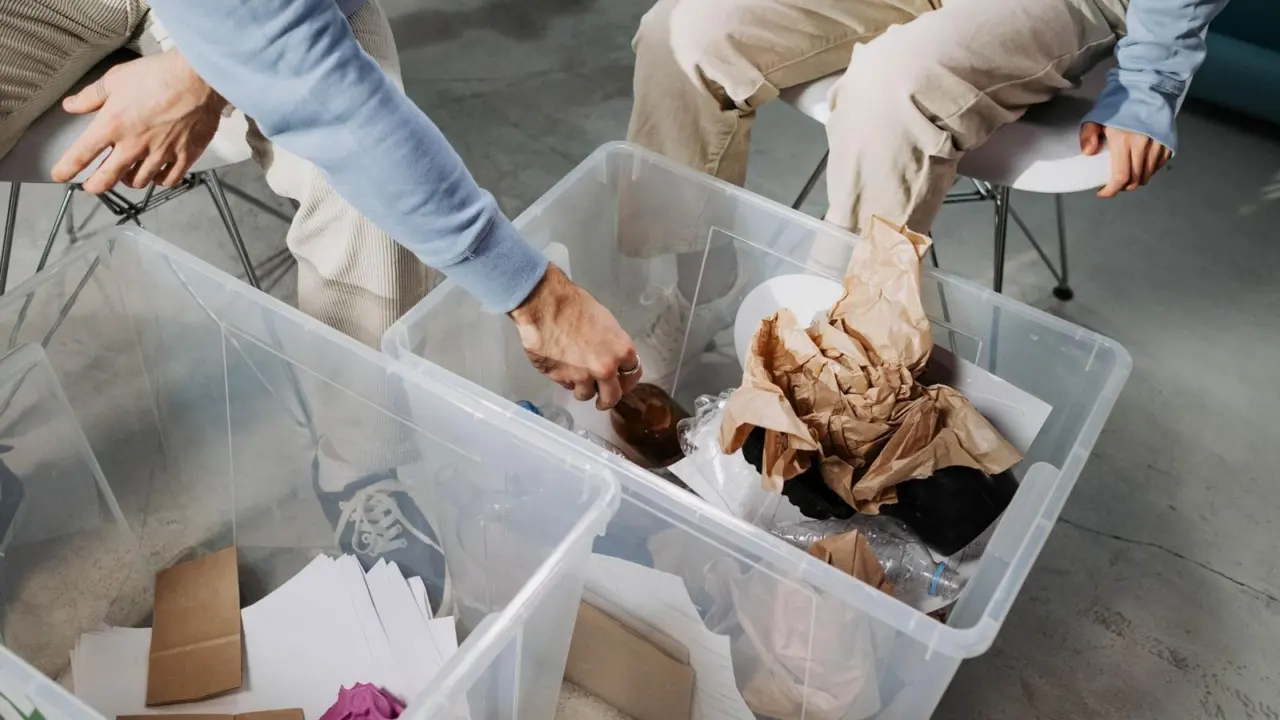
Not sure whether that greasy box or tangled bag belongs in the bin? Here is how to recycle correctly: keep items empty, clean, dry and loose, and check your local program’s rules.
This guide is part of our wider set of green living tips.
| Item | Key fact |
|---|---|
| Basic rules for curbside recyclables | Empty, clean, dry and loose |
| Greasy pizza boxes | Can be recycled, even with grease |
| Plastic bags, wraps and films | Take to a store drop-off location, not the curbside bin |
| Lithium-ion and other rechargeable batteries | Not for household garbage or recycling bins |
| Investment needed for U.S. recycling by 2030 | $36.5 to $43.4 billion (EPA assessment, August 2024) |
Figures and rules can change. Check the EPA’s recycling guidance and the Earth911 wishcycling article before you rely on them.
Why good intentions can hurt recycling
Wishcycling means putting an item in the bin when you are not sure it is accepted, hoping the system will sort it out. Earth911 describes it as “putting a questionable item in the blue bin and hoping the facility will sort it out.”
It feels generous, but it makes the sorting job harder. Items that do not belong can contaminate good material and strain a system that, according to an August 2024 EPA assessment cited by Earth911, needs $36.5 to $43.4 billion in investment by 2030 to modernize.
The fix is not to recycle less. It is to recycle more carefully, using a few habits you can repeat every week.
The basic rules for what goes in the bin
Earth911 sums up the approach in four common-sense rules. Keep recyclables empty, clean, dry and loose.
- Empty: tip out liquids and scrape out leftovers.
- Clean: a quick rinse is usually enough. The EPA says “spatula-clean” is clean enough to recycle.
- Dry: shake out water before items go in the bin.
- Loose: do not bag your recyclables. Put items in the bin individually.
Rules differ from place to place. The EPA notes that while general answers are provided, your local program may have different rules, so check with your local recycling program if you are unsure.
Common mistakes and what to do instead
Bagging everything
A tied-up bag of bottles and cans is hard to open and sort. Keep items loose in the bin.
Putting in plastic bags and tangly items
Earth911 advises avoiding items that tangle, such as hoses, cords, string lights or plastic bags. Items like these can tangle in sorting screens and make the work physically dangerous for staff.
For bags, the EPA suggests asking your local grocery and department stores, or using Earth911, to find a location that recycles plastic bags and plastic wrap or film.
Throwing away items that are actually fine
Over-correcting is also a mistake. The EPA says pizza boxes can be recycled, even if they have grease in them. It also says that for plastic bottles, the caps and labels can typically be left on.
Metal bottle caps are different: the EPA says they should be recycled separately from glass bottles.
Leaving food in containers
If a jar or tub has residue, the EPA suggests rinsing or scraping it off. If an item is too dirty to clean, it is better in the trash than in the recycling.
Paper and cardboard: the easy win
Paper is worth getting right. The EPA says paper makes up 23 percent of municipal solid waste generated each year, more than any other material, and that Americans recycled about 68 percent of the paper they used in 2018.
The EPA also notes that most community or office recycling programs accept paper and paper products. Recovered paper is used to make new paper products, which saves trees and other natural resources.
That makes paper the easiest place to build a habit. Keep a box or bin near where mail and packaging arrive, and flatten cardboard so the bin does not fill with air.
The grease on a pizza box can feel like a deal-breaker, but the EPA’s answer shows why checking beats guessing. A little grease does not automatically make paper trash.
Look at the habits that sit around paper too. Pull out any plastic wrap or foam packing, keep the paper dry, and keep paper away from food waste so it stays in good shape for sorting.
Items that rarely belong at the curb
Some things are recyclable, just not through your household bin. The EPA states that although batteries are recyclable, most batteries, including lithium-ion, lithium metal, lead-acid, nickel cadmium and other rechargeable batteries, should not go in household garbage or recycling bins.
Earth911 also lists propane tanks, medical sharps and broken glass among items that make sorting recyclables physically dangerous. The EPA adds that household hazardous items such as paints, solvents, light bulbs and unemptied aerosol cans depend on your local solid waste agency’s rules.
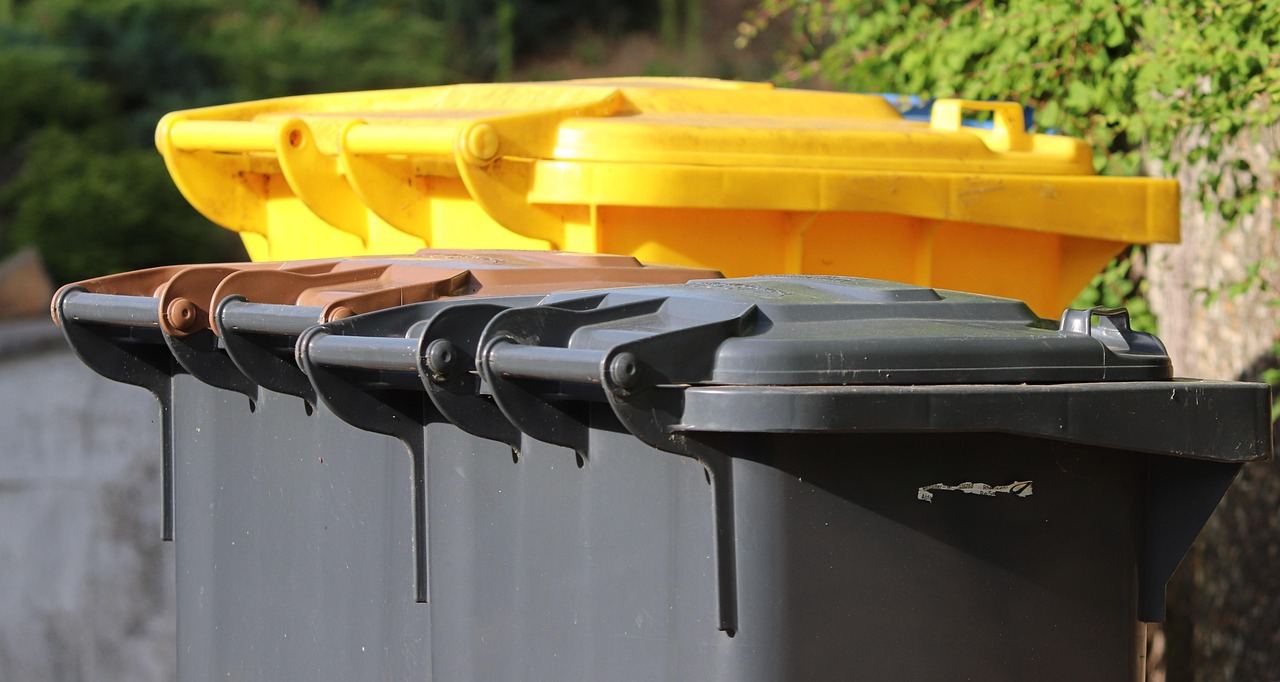
For these items, look for a take-back or drop-off option through your local waste agency, a retailer or a locator such as Earth911 or RecycleNation, both of which the EPA links to for finding a recycling location near you.
What to do when you are unsure
The honest answer to an unclear item is usually to look it up, not to guess. The EPA says to check with your local recycling program to learn whether it accepts a given item.
Most councils and waste haulers publish an accepted-items list online or on a sticker for the bin. If an item is not on it, treat that as a no for curbside collection and look for another route.
- Check the accepted-items list from your local program.
- Look for a store drop-off for bags, wraps and films.
- Use a locator such as Earth911 for batteries and other special items.
- If the item is dirty and cannot be cleaned, put it in the trash rather than the bin.
This approach may feel slower at first. After a few weeks, you will know your local rules by heart, and the questions get rarer.
How to recycle correctly every week
Good recycling comes down to routine rather than perfection. A small system at home stops most errors before they reach the bin.
- Look up your local program’s accepted-items list and keep it near the bin.
- Empty and scrape containers as you use them, so cleaning is never a chore.
- Keep recyclables loose and out of bags.
- Set aside plastic bags, batteries and hazardous items for drop-off.
- When in doubt, check before you toss it in.
Recycling is one piece of a lower-waste home. For a bigger picture, read how to live a zero waste lifestyle, which starts with reducing and reusing before you recycle.
For related reading, see the guide to eco friendly cleaning products.
Frequently asked questions
Can I recycle greasy pizza boxes?
Show answer
Usually, yes. Because local programs can differ, confirm with yours before you put a stained box in the bin.
Should I put recyclables in a plastic bag?
Show answer
No. Keep recyclables loose. Earth911 lists not bagging them as part of its basic rules.
Can batteries go in the recycling bin?
Show answer
Usually not. The EPA says most batteries, including lithium-ion and other rechargeable types, should not go in household garbage or recycling bins, so use a drop-off location.
Do I need to wash containers perfectly?
Show answer
No. A scrape with a spatula is the standard the EPA describes, so you do not need to scrub items until they shine.