
Worried about your next power bill? Here is how to save energy at home: start with heating and cooling, switch to LED bulbs, and cut hot water use. Small habits add up.
This guide is part of our wider collection of green living tips.
| Item | Key fact |
|---|---|
| Certified LED bulbs vs standard bulbs | Use up to 90% less energy |
| LED bulb lifespan vs standard bulbs | Last 15 times longer |
| Certified smart thermostat | Can cut heating and cooling bill by more than 8% |
| Smart thermostat, average saving | About $50 a year |
| Sealing and insulating air ducts | Can improve HVAC efficiency by as much as 10% |
| Share of washing-machine energy used to heat water | About 90 percent |
Figures come from ENERGY STAR’s low- to no-cost tips and its heating-season advice. They can change, so check the sources before you rely on them.
Start where the energy actually goes
Before you buy anything, find out what your home uses most. For the average American household, heating and cooling take almost half the annual energy bill, according to ENERGY STAR’s low- to no-cost tips page, which puts that at more than $900 a year.
That makes your thermostat and your building’s air leaks the best place to begin. Lighting, hot water and appliances come next.
Your own home may differ, because climate, house size and fuel type all matter. Your utility bill, or a free audit offered by some utilities, will show your real pattern.
Make heating and cooling work smarter
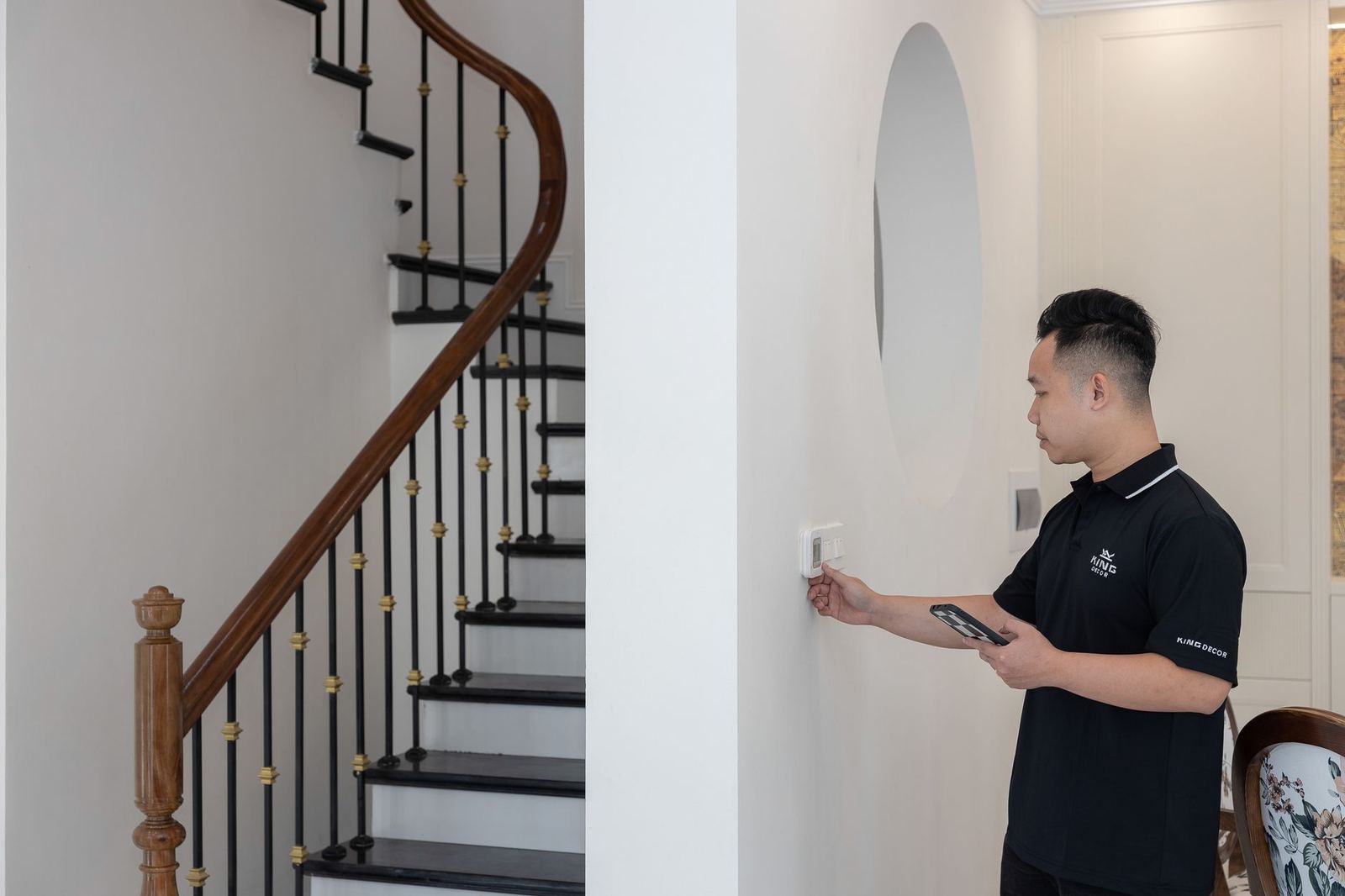
A smart thermostat adjusts temperatures for you when you sleep or are out. ENERGY STAR says a certified model can reduce your heating and cooling bill by more than 8% and save about $50 a year on average.
The same page says a home that is unoccupied much of the day can save approximately $100 a year. If you are away at work most days, you gain the most.
Ducts are another quiet leak. ENERGY STAR’s heating-season page says sealing and insulating air ducts, especially in an attic or crawlspace, can improve your HVAC system’s efficiency by as much as 10%.
Low-cost habits that cost nothing
- Lower the heating setting a little when you are asleep or out.
- Close curtains on sunny summer windows and open them on winter days.
- Replace dirty filters so your system does not strain.
- Close doors to rooms you do not use.
- Check for draughts around doors and windows, then seal them.
None of these needs special equipment. They do depend on how your home is built, so test one change at a time and watch your bill.
Rented homes need a different approach, because you cannot always change insulation or equipment. Focus on movable fixes: draught strips, heavier curtains, rugs on bare floors and a thermostat schedule. Ask your landlord about anything bigger, and keep a record of the request.
Fans can also help in summer. Moving air makes a room feel cooler, so you may be comfortable with the cooling set a little higher, and you should switch the fan off when nobody is in the room.
Switch your lighting to LEDs
Lighting is one of the cheapest upgrades. ENERGY STAR says certified LED bulbs use up to 90% less energy and last 15 times longer than standard bulbs, saving money on energy bills and replacement costs.
Start with the lights you use most, such as the kitchen, living room and porch. Those bulbs repay their cost fastest, and the old ones can go in your household recycling where it is accepted.
Also build a habit of switching lights off when you leave a room. An efficient bulb that stays on all day still wastes power.
Cut the cost of hot water and laundry
Heating water takes a lot of energy. ENERGY STAR says hot water accounts for about 90 percent of the energy a machine uses to wash clothes, and only 10 percent goes to the washer motor.
So the simplest laundry saving is to wash in cold water when the label allows it. Run full loads, too, so you do fewer washes overall.
- Choose the cold or cool cycle for everyday clothes.
- Wait for a full load before you start the machine.
- Take slightly shorter showers.
- Fix dripping hot taps promptly.
Line-drying is free as well, and it spares your dryer, which is among the hungrier appliances in many homes.
Look at appliances and standby power
When an appliance wears out, compare its running costs, not just its price tag.
Standby power is smaller but constant. Plug TVs, game consoles and chargers into a power strip you can switch off at night.
Energy saving also fits with other changes at home. If you are cutting waste, our guides on how to reduce plastic waste at home and how to start composting make good next steps.
A simple order for how to save energy at home
Trying everything at once is tiring, and you will not know what worked. A steady order keeps the effort small and the results clear.
- Read your last few bills and note which months cost the most.
- Do the free habits first: thermostat settings, lights off, cooler laundry.
- Swap your most-used bulbs for certified LEDs.
- Seal draughts and, if you can reach them, leaky ducts.
- Plan bigger purchases, such as a smart thermostat or a new appliance, for when the old item needs replacing.
Each step builds on the one before. By the time you reach the purchases, you will know how much your home really needs.
Track your results and keep going
Savings only count if you can see them. Write down your meter reading or bill total each month, and note any change you made.
Weather muddies the picture, so compare the same month across different years where you can. A cold winter can hide a good improvement.
Share the habits with the people you live with, too. A thermostat schedule works best when everyone knows why it is set that way, and children often enjoy being the ones who switch off the lights.
Common mistakes to avoid
- Buying gadgets before fixing obvious air leaks.
- Setting a schedule and never checking that it suits your routine.
- Judging a change on one unusual month of weather.
- Throwing away working appliances early, which wastes the energy and materials already used to make them.
Lasting change comes from habits you can keep. Pick the two or three that fit your life and let them settle in before you add more.
Frequently asked questions
What is the quickest way to save energy at home?
Show answer
Swapping your most-used bulbs for certified LEDs and turning down heating or cooling when you are out are the fastest steps. Neither needs a big outlay.
Is a smart thermostat worth buying?
Show answer
ENERGY STAR says a certified model saves about $50 a year on average, and about $100 if your home is empty much of the day. Compare that with the purchase price and your own routine.
Does washing clothes in cold water really help?
Show answer
Yes. ENERGY STAR says about 90 percent of a washing machine’s energy goes to heating water, so cooler washes cut most of the load.
Will these savings be the same in my home?
Show answer
Probably not. The figures are averages, and your climate, home size and habits change the result. Check your bills before and after each change.