Wondering how to start composting without a mess or a smell? Pick a dry, shady spot, mix dry “browns” with wet “greens”, keep the pile damp, and turn it regularly.
This guide is part of our wider set of green living tips.
| Item | Value |
|---|---|
| Share of what we throw away that is food scraps and yard waste | More than 30 percent |
| Best spot for a pile or bin | Dry, shady, near a water source |
| Burial depth for fruit and vegetable waste in an established pile | 10 inches of compost material |
| Carbon source in the pile | Brown materials |
| Nitrogen source in the pile | Green materials |
These figures come from an archived US EPA page on composting at home. Figures and guidance can change, so check the source before you rely on them.
Why compost at all?
Food scraps and yard waste together make up more than 30 percent of what we throw away, and the EPA notes they could be composted instead. Composting keeps that material out of the bin and turns it into something useful for your garden.
Finished compost enriches soil, helping it retain moisture and suppress plant diseases and pests. That makes it a free soil booster for pots, vegetable beds and lawns.
If your main goal is cutting waste, pair composting with our guide on how to reduce food waste. Composting is the last step, after you have used what you can.
The basic recipe: browns, greens and water
A compost pile needs three things. The EPA explains that the brown materials provide carbon, the green materials provide nitrogen, and the water provides moisture to help break down the organic matter.
A simple way to sort what you have:
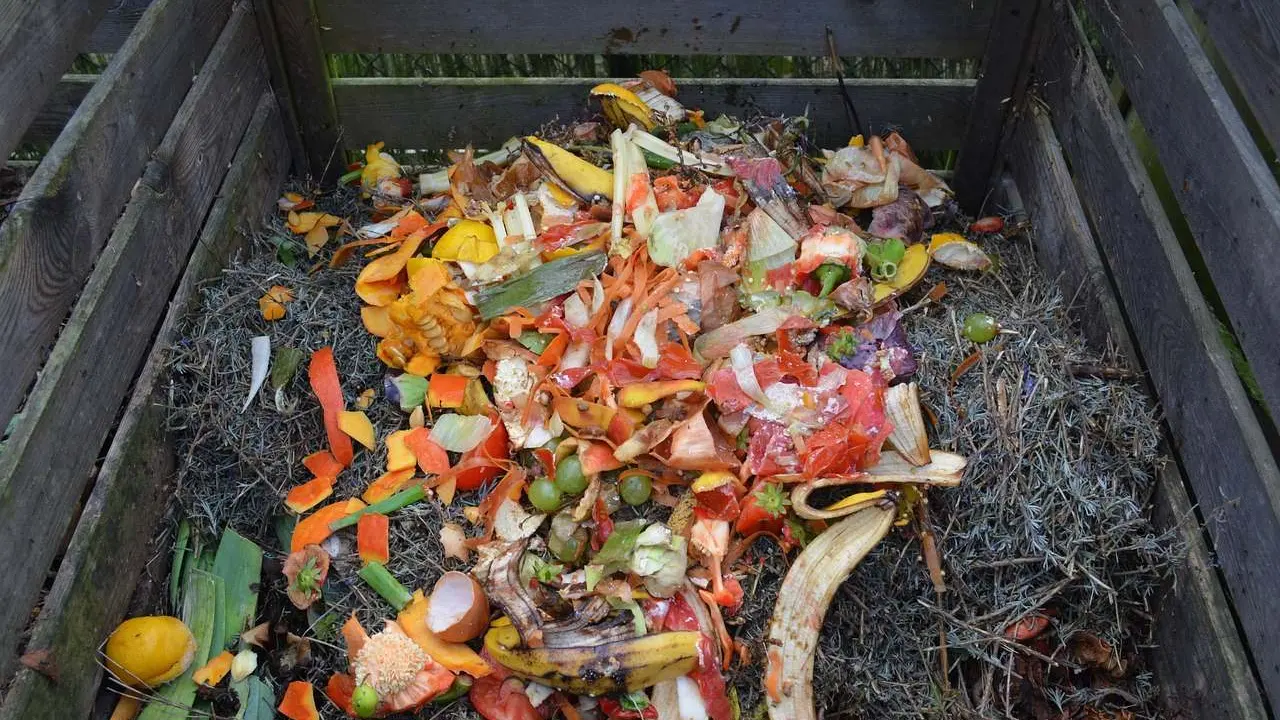
- Browns (dry, carbon-rich): leaves, shredded newspaper, cardboard, hay and straw, sawdust and wood chips.
- Greens (wet, nitrogen-rich): fruit and vegetable scraps, coffee grounds and filters, tea bags, grass clippings.
- Water: enough that the pile feels like a wrung-out sponge, not a puddle.
Add both types as you collect them. The EPA advises making sure larger pieces are chopped or shredded, since small pieces break down faster.
Setting up a backyard pile or bin
Start with the location. The EPA says to select a dry, shady spot near a water source for your compost pile or bin.
Then follow these steps:
- Put down a base of coarse brown material such as twigs or straw so air can get in from below.
- Add your first layer of browns, then a layer of greens.
- Moisten dry materials as they are added.
- Keep adding browns and greens as you collect them, chopping large pieces.
- Bury fresh kitchen scraps in the middle of the pile.
Once the pile is established, the EPA suggests mixing grass clippings and green waste into it and burying fruit and vegetable waste under 10 inches of compost material. Burying scraps helps keep flies and animals away.
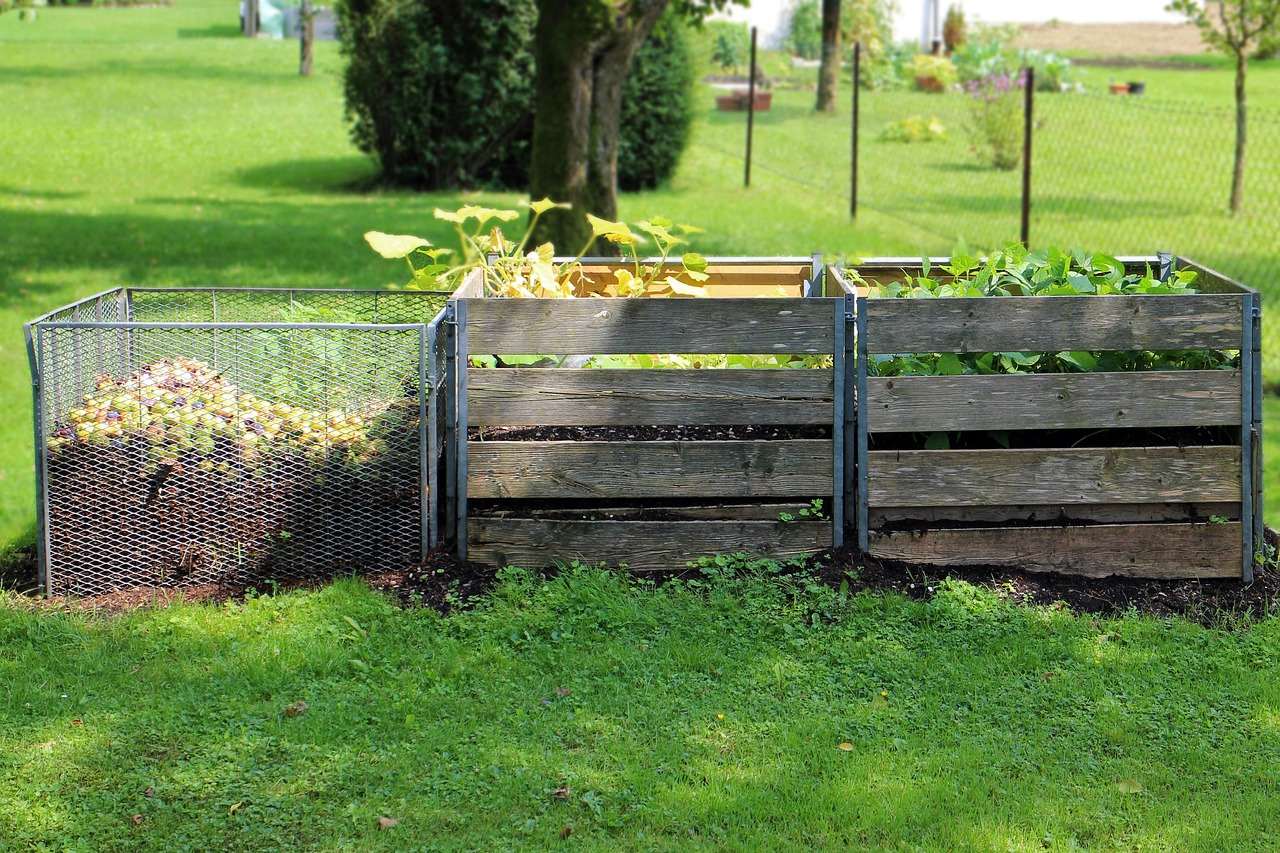
What to compost and what to leave out
The EPA advises adding brown and green materials as they are collected, making sure larger pieces are chopped or shredded.
Before you add anything unusual, read the guidance on the EPA page. Local rules and your type of bin can also change what is sensible to include.
Keeping it healthy: turning, moisture and troubleshooting
The EPA says regular mixing or turning of the compost, along with some water, helps maintain it. Turning brings in air, which the microbes doing the work need.
Use this quick troubleshooting guide, which is general gardening practice rather than EPA wording:
| Problem | Likely cause | Fix |
|---|---|---|
| Bad smell | Too many greens or too wet | Mix in dry browns and turn the pile |
| Pile not breaking down | Too dry or too many browns | Add water and some greens |
| Flies or animals | Scraps near the surface | Bury scraps deeper and keep the pile covered |
| Large pieces remain | Not chopped | Chop or shred new material before adding |
The turning and moisture advice above follows the EPA’s composting page, while the fixes are common practice. Guidance can change, so check the source before you rely on it.
Most problems come down to balance. If the pile is wet and smelly, add browns. If it is dry and still, add greens and water.
Keep a small stash of dry browns, such as shredded cardboard or fallen leaves, beside the bin.
Check the pile every week or so. Push a hand or a garden fork into the middle and feel the material. It should be damp throughout, loose enough for air to move, and slowly turning dark and crumbly.
A simple routine for the kitchen
The easiest way to keep composting going is to make it part of cooking. A small lidded container on the counter or under the sink collects peelings, coffee grounds and tea bags until you are ready to carry them outside.
A weekly rhythm helps beginners:
- Daily: drop scraps into the kitchen container and keep meat, fat and dairy out.
- Every few days: empty the container, bury the scraps in the pile and cover them with browns.
- Weekly: check moisture, turn the pile if it feels packed, and chop up any bulky items.
Cut or tear scraps small before they go in. Banana skins, melon rinds and cabbage stalks all break down far quicker when they are in small pieces.
Using your finished compost
Finished compost looks dark and crumbly and smells earthy, with few recognisable scraps left. Some tough items, such as nut shells, may still show up, and you can simply put them back in the pile.
Because the EPA notes that compost enriches soil and helps it retain moisture, you can use it in several places:
- Mix it into vegetable beds before planting.
- Spread a thin layer around shrubs and flowers as mulch.
- Blend it into potting mix for containers.
- Scatter a light layer over a tired lawn.
Start with small amounts and see how your plants respond. Nothing about compost has to be exact, and each batch will differ a little depending on what went into it.
No yard? Try indoor composting
If you do not have space for an outdoor pile, the EPA says you can compost materials indoors using a special type of bin. You can buy one at a local hardware or gardening store, or make your own.
Composting also fits alongside other habits at home, such as the ones in our guide on how to save energy at home.
Frequently asked questions
How long does compost take to be ready?
Show answer
It varies with the mix, moisture, size of pieces and how often you turn it. A well-balanced, chopped and regularly turned pile usually finishes faster than a neglected one.
Do I need to buy a bin?
Show answer
No. The EPA describes a compost “pile or bin”, so a simple heap in a shady spot works. A bin can keep things tidier and deter animals.
Can I compost meat and dairy?
Show answer
Home guides generally advise against it because it can attract pests. Check the EPA’s “what not to compost” list and your local rules.
Will my compost smell?
Show answer
A healthy pile should smell earthy. A sour or rotten smell usually means too many wet greens or too little air, so add browns and turn it.