Wondering how to save water at home without living differently? Start by fixing leaks, then swap your showerhead and bathroom tap aerators, and finally change a few daily habits in each room.
This guide is part of our wider set of green living tips.
| Item | Value |
|---|---|
| Potential yearly saving from labeled faucets and aerators | 700 gallons per year |
| Toilet dye test waiting time | 10 minutes |
| Water meter leak check interval | Two hours |
| Potential yearly saving from a WaterSense showerhead | 2,000 gallons |
| Bathroom tap flow: standard vs labeled maximum | 2.2 vs 1.5 gallons per minute |
Figures come from the EPA’s WaterSense newsletter and its bathroom faucets page. They can change, so check the sources before you rely on them.
How to save water at home: start with leaks you cannot see
Most households lose more water than they realise. The EPA says an American home can waste, on average, more than 11,000 gallons a year through running toilets, dripping faucets and other leaks. Nationwide, more than 1 trillion gallons leak from US homes each year, according to the same EPA page.
Fixing leaks reduces wasted water. You are simply stopping water that nobody uses.
Two quick tests
The EPA’s WaterSense Current newsletter, Winter 2024 issue, describes two simple checks in its leak guidance.
- Meter test: read your water meter, wait two hours without using any water, then read it again. If the meter changes at all, you probably have a leak.
- Toilet dye test: place a drop of food coloring in the tank. If any color shows up in the bowl within 10 minutes, the toilet is leaking.
The same newsletter says common leaks inside the home are usually caused by a worn toilet flapper or loose pipe or fixture connections. Both are low-cost repairs for most people.
Bathroom: where the biggest savings sit
Bathrooms are where fixtures can make the most difference, because showers, taps and toilets run all day. Changing the hardware once saves water every day afterward.
Showers
The EPA says that if you swap your old showerhead for a WaterSense labeled model, you could save about 2,000 gallons of water a year. That is stated in the WaterSense newsletter. You also use less energy, because less water has to be heated.
Habits add to the hardware. A shorter shower, or turning the water down while you lather, costs nothing.
Bathroom taps
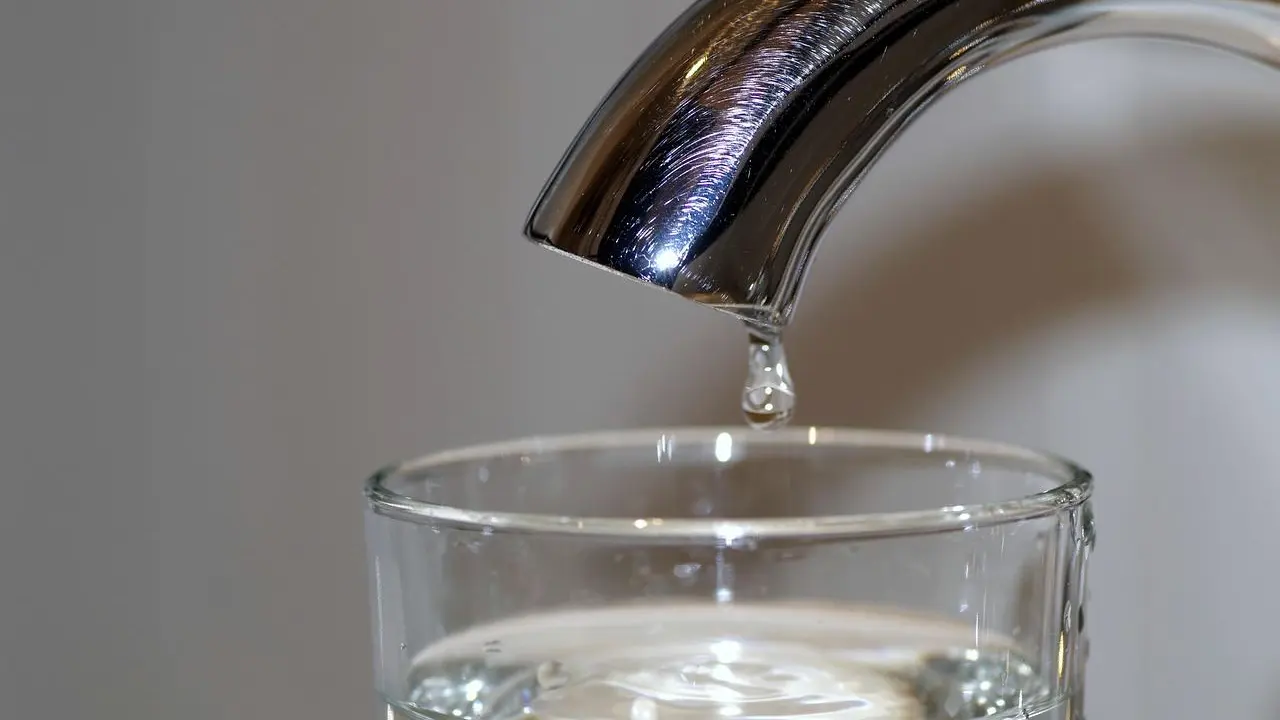
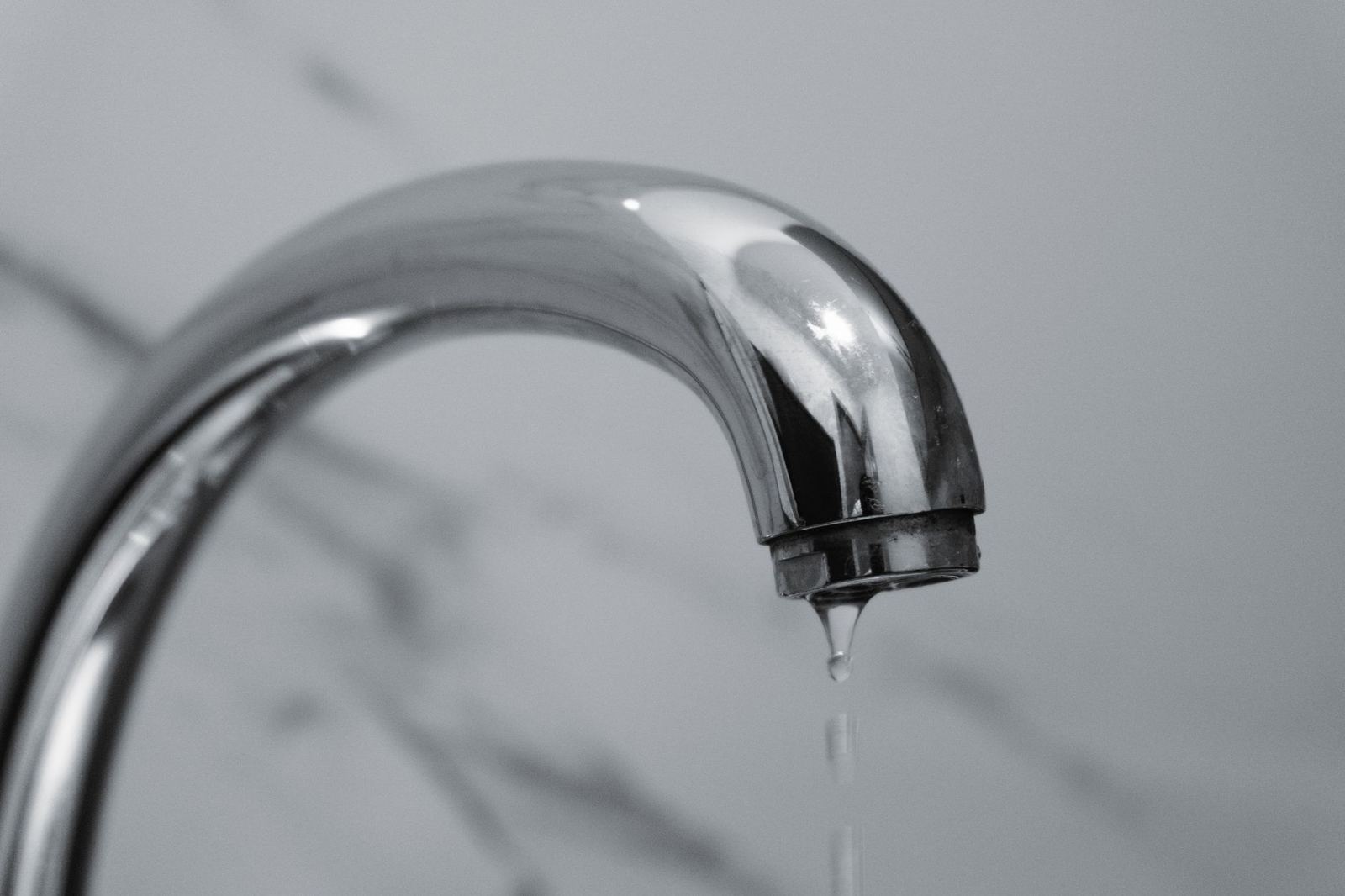
Labeled bathroom sink faucets and accessories use a maximum of 1.5 gallons per minute. According to the EPA’s faucet page, that cuts flow by 30 percent or more from the standard 2.2 gallons per minute.
The same page says replacing old faucets and aerators with labeled models can save the average family 700 gallons a year. An aerator is a small screw-on part, so this is often a simple job.
Toilets
Fix a running toilet first, using the dye test above. If your toilet is very old, a modern efficient model is worth pricing. Never use the toilet as a bin, because every unnecessary flush is clean water gone.
Kitchen and laundry habits
The kitchen and laundry room rely more on habits than on fixtures. These steps work in almost any home:
- Run the dishwasher and washing machine only with full loads.
- Scrape plates instead of rinsing them under a running tap.
- Keep a jug of drinking water in the fridge so you are not running the tap until it turns cold.
- Wash vegetables in a bowl, then reuse that water on houseplants.
- Fix any dripping tap or loose connection under the sink.
Water and food are closely linked. When you learn how to reduce food waste, you also save the water that went into growing the food.
Cleaning, gardens and the rest of the house
Cleaning can use a lot of water if you rinse repeatedly. Use a bucket rather than a running hose or tap, and choose gentler products. Our guide to eco friendly cleaning products explains options that are kinder to waterways once they go down the drain.
Outdoors, the EPA says residential outdoor water use across the United States accounts for nearly 9 billion gallons of water each day, mainly for landscape irrigation. That figure is on the Save with Us page. Water the garden early or late, aim at the roots, and check for sprinkler leaks.
Make the habits stick
Good intentions fade quickly, so build water saving into routines you already have. A few small changes that you set up once are far more reliable than rules you must remember every day.
Put a reminder on the calendar to check for leaks every spring. Walk through each room, look under sinks, listen for hissing toilets, and check hose connections outside.
Involve the whole household
Water use is shared, so the easiest wins come when everyone knows the plan. Agree on a few simple rules and keep them visible:
- Report drips and running toilets as soon as anyone notices them.
- Turn off the tap while brushing teeth or scrubbing hands.
- Keep showers short, and turn the water down while you lather.
- Collect the cold water that runs while you wait for hot, and use it for plants.
Watch your bill
Your water bill is the clearest scorecard. Note your usage in the same month each year and compare. A sudden rise with no change in how you live is a strong hint of a hidden leak, so run the meter test straight away.
If you rent, tell your landlord about any fixture that leaks. Some fixes, such as an aerator or a showerhead, you can often fit yourself and take with you when you move, but check your lease first.
Start with the cheapest step
You do not need to renovate to see a result. Begin with repairs that cost little, such as a new flapper or a few turns of pipe tape on a loose connection. Then move to fixtures when old ones wear out, and choose labeled models so each replacement lowers your use for years.
Keep notes on what you changed and when. A short list on the fridge or in your phone makes it easy to see which steps helped, and it keeps the effort from feeling endless.
A simple plan to follow
- Check the meter and run the toilet dye test to find leaks.
- Repair flappers and loose connections.
- Fit a labeled showerhead and tap aerators.
- Switch to full loads and bucket-based cleaning.
- Recheck the meter after a few weeks to see the difference on your bill.
Savings depend on your home, your fixtures and how many people live there. Treat the EPA figures as examples, not promises.
Frequently asked questions
What is the quickest way to save water at home?
Show answer
Find and fix leaks. A worn toilet flapper or a loose connection is a common cause and is usually cheap to repair.
How do I check for a silent toilet leak?
Show answer
Put a drop of food coloring in the tank. If color appears in the bowl within 10 minutes, there is a leak.
Is a WaterSense showerhead worth it?
Show answer
The EPA says swapping an old showerhead for a labeled model could save about 2,000 gallons a year. You also use less energy to heat water.
Do tap aerators really help?
Show answer
The EPA says labeled bathroom faucets use up to 1.5 gallons per minute against a standard 2.2, a cut of 30 percent or more.