Wondering which types of renewable energy actually exist? There are five main ones: solar, wind, hydropower, geothermal and biomass. Each taps a resource that nature keeps replenishing.
This guide sits within our wider look at what is sustainability.
| Item | Value |
|---|---|
| Renewables’ share of total US energy consumption, 2023 | About 9% |
| US renewable energy consumed, 2023 | 8.2 quadrillion British thermal units |
| Share of US renewable energy used by the electric power sector, 2023 | About 39% |
| Share of US electricity generation from renewables, 2023 | About 21% |
These figures come from the U.S. Energy Information Administration’s renewable energy explainer. They are US data that the agency may revise, so check the source before you rely on them.
What counts as renewable energy?
The U.S. Energy Information Administration (EIA) defines renewable energy as energy from sources that are naturally replenishing but flow-limited. In its words, the resources are virtually inexhaustible, but they are limited by how much of the resource is available at a given moment.
That second part matters. The sun does not shine at night and the wind does not blow on demand, so each type has its own strengths and limits.
The five main types are:
- Solar energy
- Wind energy
- Hydropower
- Geothermal energy
- Biomass, including biofuels
Each is covered below, in plain terms. The data are American, but the technologies work the same way anywhere.
Solar energy: from sunlight to heat and power
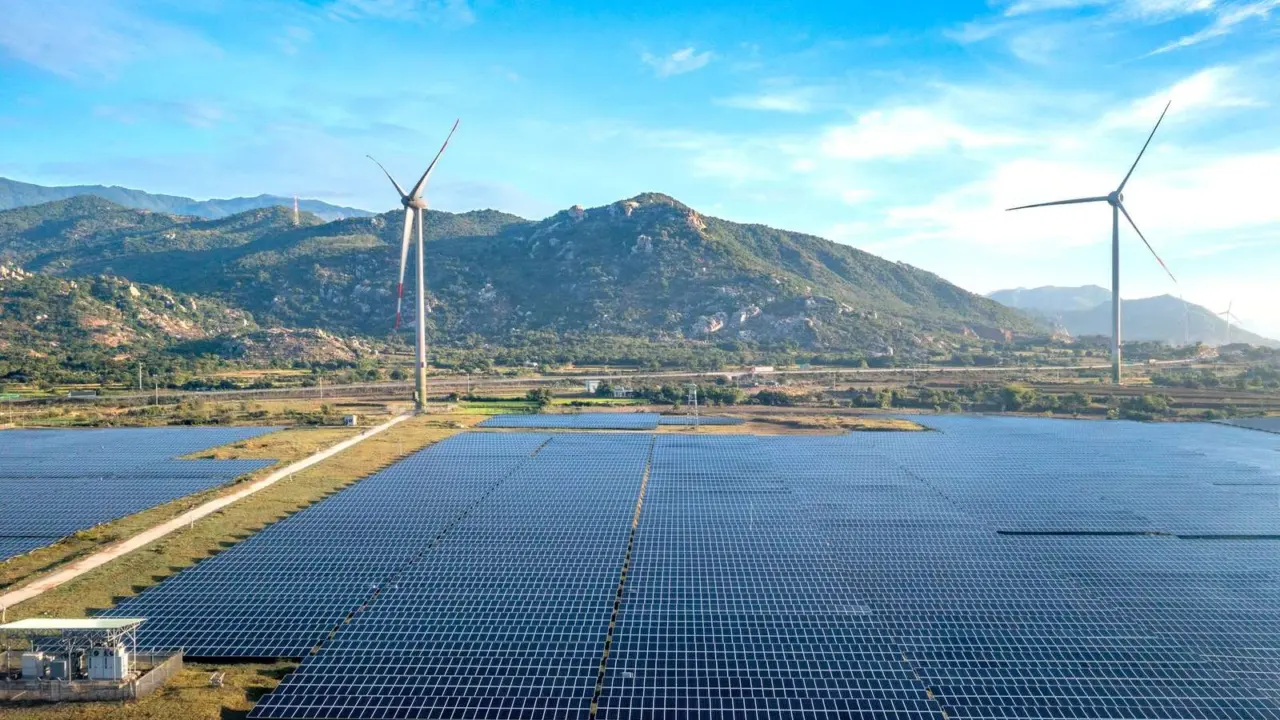
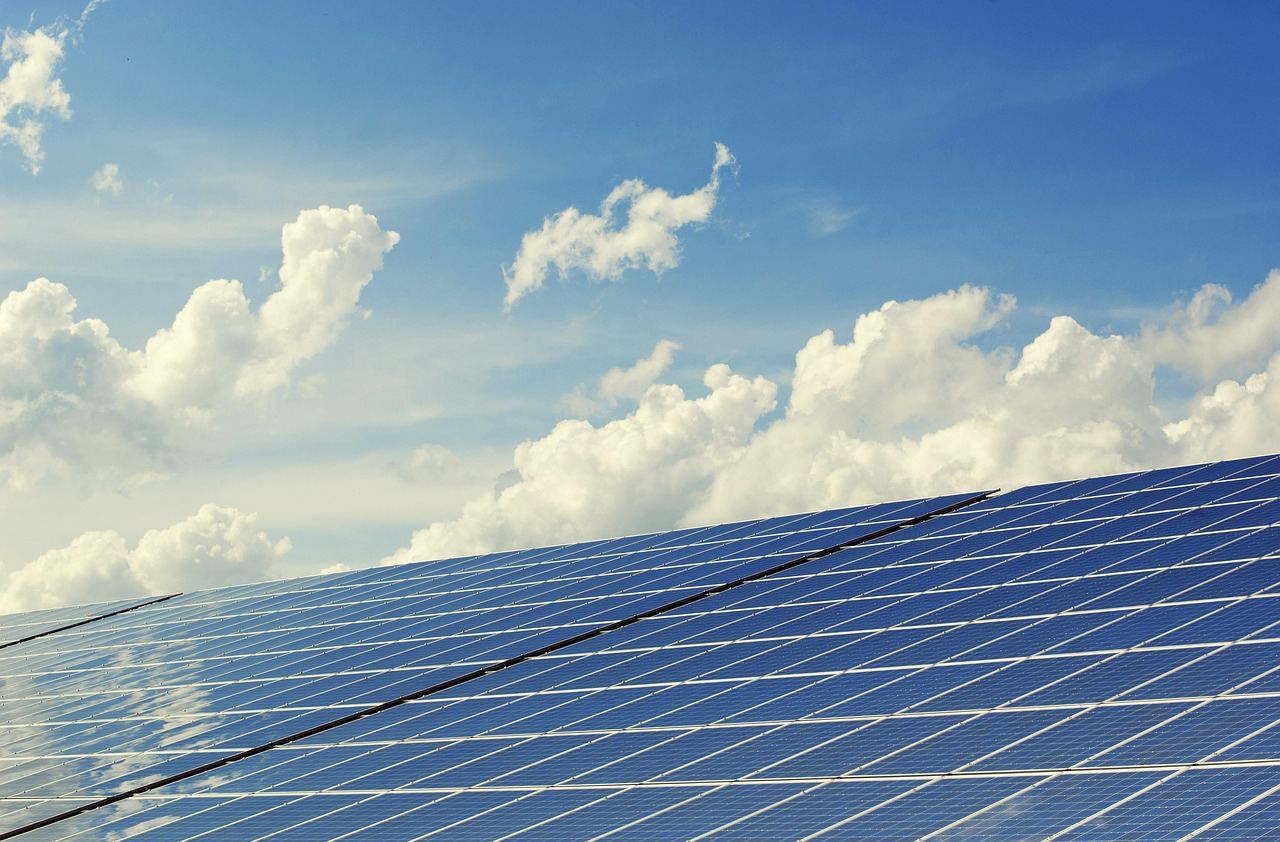
Per the EIA, solar energy systems use radiation from the sun to produce heat and electricity. The agency describes three basic categories of solar energy systems.
The best known is photovoltaic (PV). PV systems use solar-electric cells that convert solar radiation directly into electricity, whether for small devices or for solar power plants.
The other categories use the sun’s heat. Solar heating can warm water or buildings, and concentrating systems can focus sunlight to make steam for electricity.
Solar output follows daylight and weather. That is why storage and a mixed supply matter as solar grows.
Wind energy: turbines on land and offshore
The EIA explains that wind energy is converted to electricity with wind turbines that are usually grouped together in wind farms. Moving air turns the blades, which drive a generator.
Wind farms can sit on land, and the EIA notes plans to develop wind energy projects in offshore areas of the United States. Offshore sites can offer steadier wind, though they are harder to build and maintain.
Like solar, wind only generates when the resource is present. Grid operators balance it with other supply, storage and demand management.
Hydropower, geothermal and biomass
Hydropower
The EIA describes hydropower as electricity produced from flowing water. Most US hydropower comes from large facilities built by the federal government.
Water falls or flows through a turbine, which spins a generator. Reservoirs let operators store water and release it when demand rises, which gives hydropower an advantage over wind and solar.
Geothermal
Geothermal energy uses the earth’s heat in two main ways, according to the EIA. Energy from deep underground is used to generate electricity.
The near-constant temperature near the surface is used in geothermal heat pumps for heating and cooling buildings.
Biomass
The EIA lists three main types of biomass energy:
- Biofuels, such as ethanol and biodiesel
- Wood and wood residues, including pellets for heating and cooking
- Municipal solid waste and biogas
The agency says wood is the second-largest source of renewable energy in the United States. Biomass is the one renewable type that burns something, so how the fuel is sourced determines how sustainable it is.
How much do renewables supply today?
In 2023, renewable energy provided about 9% of total US energy consumption, or 8.2 quadrillion British thermal units, according to the EIA’s explainer. That covers heat and transport as well as power.
The electric power sector accounted for about 39% of US renewable energy consumption in 2023. About 21% of total US electricity generation came from renewable sources in the same year.
Heating and transport are harder to change, which is why biofuels and heat pumps get attention.
Why the mix matters more than any single type
Each type fills a different gap, so a balanced mix is usually sturdier than relying on one source.
Hydropower with a reservoir and geothermal plants can run when weather-driven sources fade. Biomass and biofuels matter where fuel, rather than electricity, is the need, such as some transport and industrial heat.
Storage, flexible demand and strong transmission lines then connect these pieces. They are not renewable energy types themselves, but they decide how much of each type a grid can absorb.
Renewable is not the same as harmless
Renewable sources still have costs. Dams can alter rivers and fish migration, wind turbines need land or sea space, and solar farms need materials and sites that suit them.
That is why planners look at the full life of a project, from manufacturing to disposal or recycling. A source can be renewable in supply yet still require careful siting and honest accounting of its effects.
Seeing renewables this way keeps the discussion practical. The aim is lower environmental harm over time, not a perfect source.
For households, the useful question is usually which type fits your location and needs. A sunny roof, a nearby wind project, a heat pump or a utility’s renewable plan can each be a sensible step, depending on your home and local rules.
It also helps to separate electricity from heat. Many renewable choices for the home, such as geothermal heat pumps, cut fuel use directly, while others feed the grid you already use.
Because policies, prices and technology change quickly, look at current local information before you decide. Independent energy agencies and your utility publish up-to-date guidance.
Choosing between types: what to weigh
No single type suits every place. Sunny regions favour solar, windy coasts and plains favour wind, and mountains with rivers favour hydropower.
When you compare options, check these points:
- How reliable the local resource is across the day and the seasons.
- Whether the technology produces electricity, heat or fuel.
- The land, water and habitat effects of building it.
- How the fuel is sourced, for biomass in particular.
Energy choices connect to food and land use too, as you can see in what is sustainable agriculture. Companies and investors also report on their energy use, which is covered in what is ESG.
Frequently asked questions
What are the main types of renewable energy?
Show answer
The EIA’s explainer covers solar, wind, hydropower, geothermal and biomass, including biofuels.
Why are wind and solar called intermittent?
Show answer
They generate only while the sun shines or the wind blows. Grids pair them with storage and other supply to keep power steady.
Is biomass always sustainable?
Show answer
Not automatically. It depends on where the fuel comes from and how fast the source regrows or is replaced.
Can a home use renewable energy without solar panels?
Show answer
Yes. Geothermal heat pumps use the near-constant temperature of the earth near the surface for heating and cooling buildings.