Wondering what is a circular economy? It is an economic system that designs out waste, keeps products and materials in use, and regenerates nature, instead of the linear take, make, waste model.
This guide sits under our wider overview, what is sustainability, and looks at one practical way to put it into action.
| Item | Value |
|---|---|
| Core principles of a circular economy | Three: eliminate waste and pollution, circulate products and materials, regenerate nature |
| Linear economy pattern | Take-make-waste |
| Global circularity rate (Circularity Gap Report) | 6.9% |
| Circularity target to limit warming below 2 degrees | 17% by 2032 |
Figures come from the Ellen MacArthur Foundation (page published 21 August 2024) and the Circularity Gap Report. They can change, so check the sources before you rely on them.
From take-make-waste to a loop
Most of today’s economy is linear. The Ellen MacArthur Foundation defines it as an economy in which finite resources are extracted to make products that are used, generally not to their full potential, and then thrown away.
The same foundation says this pattern “destroys biodiversity, pollutes the environment, and drives climate change.” It also calls the linear economy “a choice we’ve made”, which means it can be unmade.
Think of a natural forest: nothing is wasted because one organism’s leftovers feed another. A circular economy tries to copy that logic for phones, packaging, buildings and food.
The shift is not only about the end of a product’s life. It changes how things are designed, sold, used and recovered, so that waste stops being an automatic by-product.
The three principles
The Ellen MacArthur Foundation says the framework is based on three principles, driven by design. Here they are in plain language:
- Eliminate waste and pollution: design products, materials and infrastructure so they can go back into the economy after use.
- Circulate products and materials: keep them at their highest value through maintaining, reusing and refurbishing them.
- Regenerate nature: improve natural environments and build biodiversity, instead of focusing on what can be taken.
The foundation sums up the idea bluntly: the circular economy is a design problem. Decisions made at the drawing board decide whether a product ends up reused or in a landfill.
Technical and biological loops
Circular thinking separates materials into two kinds of cycle. Each one has its own logic.
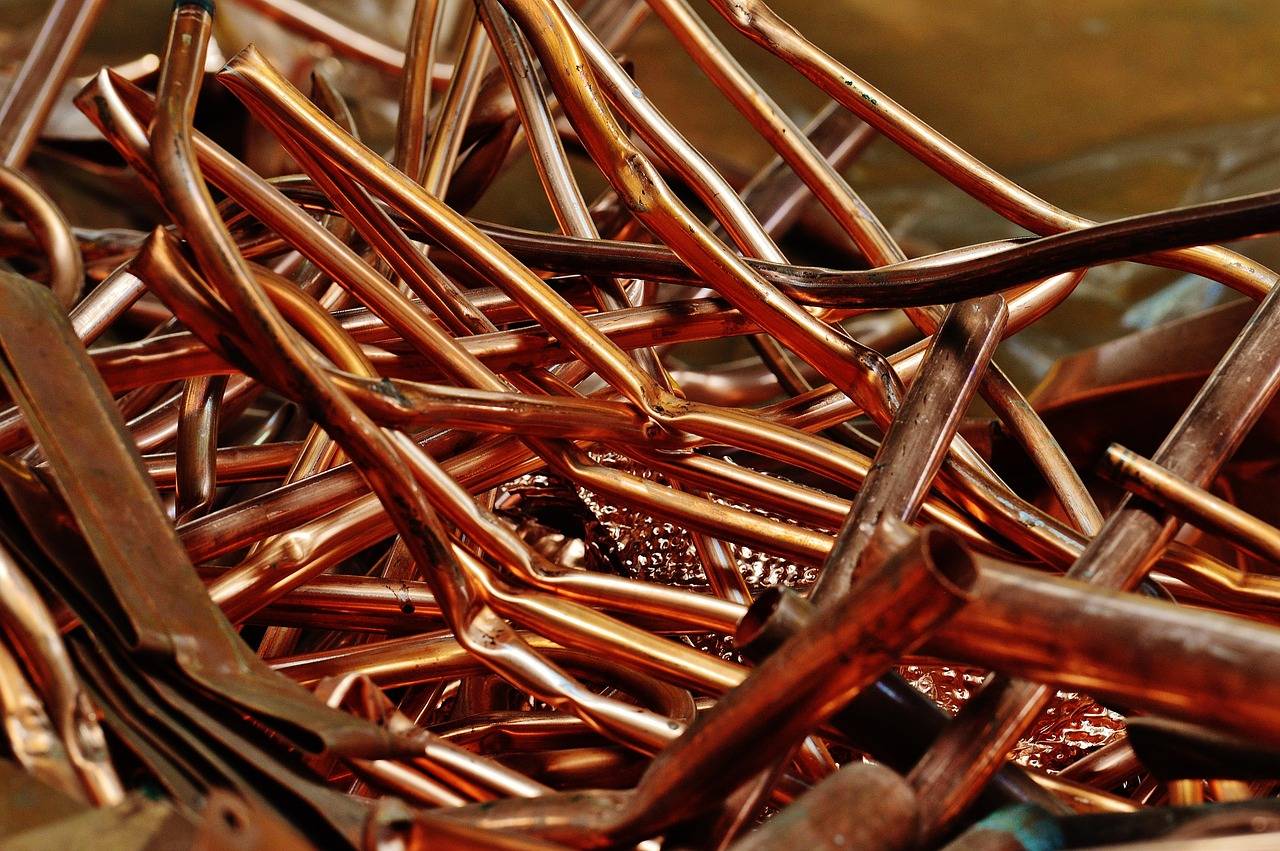
In the technical cycle, items such as electronics, metals and furniture are kept in use by maintaining, reusing and refurbishing them. Only when none of that works do materials need to be broken down for new products.
In the biological cycle, the foundation notes that biological products can be composted to return to nature. Food scraps and natural fibres can feed soil rather than fill a bin.
The key rule is to avoid mixing the two. A product that blends natural and synthetic materials in a way that cannot be separated is hard to compost and hard to recycle, so designers aim to keep materials clean and easy to part.
How far is the world from circular?
The Circularity Gap Report puts the global circularity rate at 6.9%. In its words, “To limit warming to below 2-degrees, we aim to boost global circularity to 17% by 2032.”
That gap shows why recycling alone is not enough. A circular economy also asks whether a product needs to be made at all, and whether it can last longer.
Measuring circularity is hard, and different groups use different methods. Treat any single percentage as a guide to direction rather than a precise score, and read the report itself for how it counts.
What it looks like in everyday life
You do not need to run a company to see circular thinking at work. Many everyday choices follow the same logic:
- Repair a device or garment instead of replacing it.
- Buy second-hand, borrow, or rent things you use rarely.
- Choose products designed to be refilled, upgraded or taken apart.
- Compost food scraps so nutrients return to soil.
- Pass on what you no longer need so someone else can use it.
Composting links to farming. If you want to see how nutrient loops work on the land, read what is sustainable agriculture.
Individual actions matter, but design and policy do most of the heavy lifting. Products that are easy to repair and made from recoverable materials make the circular choice the easy one for everyone.
Common misunderstandings
A few myths hold the idea back. Clearing them up makes it easier to judge claims from brands and governments.
- “It is just recycling.” Recycling is one tool among many, and often the last resort after reuse and repair.
- “It is only for businesses.” Households, cities and farms all shape how materials flow.
- “A recyclable label means circular.” A product is only circular if it actually returns to use, which depends on collection and processing systems.
When you read a green claim, ask what happens to the product after use and who is responsible for taking it back. Clear answers are a good sign.
Why design comes first
The Ellen MacArthur Foundation describes the circular economy as a systems solution framework that tackles global challenges like climate change, biodiversity loss, waste and pollution. That is a broad promise, and design is the lever that makes it possible.
Once a product is on the shelf, your options are limited. A phone glued shut is hard to repair, and a package made of mixed layers is hard to recycle, however carefully you sort it at home.
Designing for circularity means thinking early about a few practical questions:
- Can the product be opened, fixed and upgraded?
- Are the materials safe, simple and easy to separate?
- Is there a clear route for returning it after use?
- Could a service, such as sharing or leasing, replace owning a new item?
Governments, designers, manufacturers and shoppers each hold part of the answer. When one link is missing, materials leak out of the loop and end up as waste.
Where it fits in global goals
Circular approaches support goals on responsible consumption, climate and clean water. Our guide to sustainable development goals explained shows how these targets connect.
Circularity is a tool, not a finish line. Success depends on design, policy and consumer habits all moving in the same direction.
Frequently asked questions
Is a circular economy the same as recycling?
Show answer
No. Recycling is one tool. The framework also covers designing out waste, reuse and regenerating nature.
What is the linear economy?
Show answer
It is the take-make-waste pattern, in which finite resources are extracted, made into products, used and thrown away, as defined by the Ellen MacArthur Foundation.
How circular is the world today?
Show answer
The Circularity Gap Report gives a global circularity rate of 6.9%, with a goal of 17% by 2032. Check the report for the latest edition.
What can one person do?
Show answer
Repair, reuse, buy second-hand and choose durable products. These choices keep materials in use for longer.